
By Denston Carey Jr. via www.wcuquad.com

While many of us are well aware of the disparities in healthcare, this article written by a medical student, makes some good points about the need for more diversity at all levels in the medical field. What would you add to his thoughts?
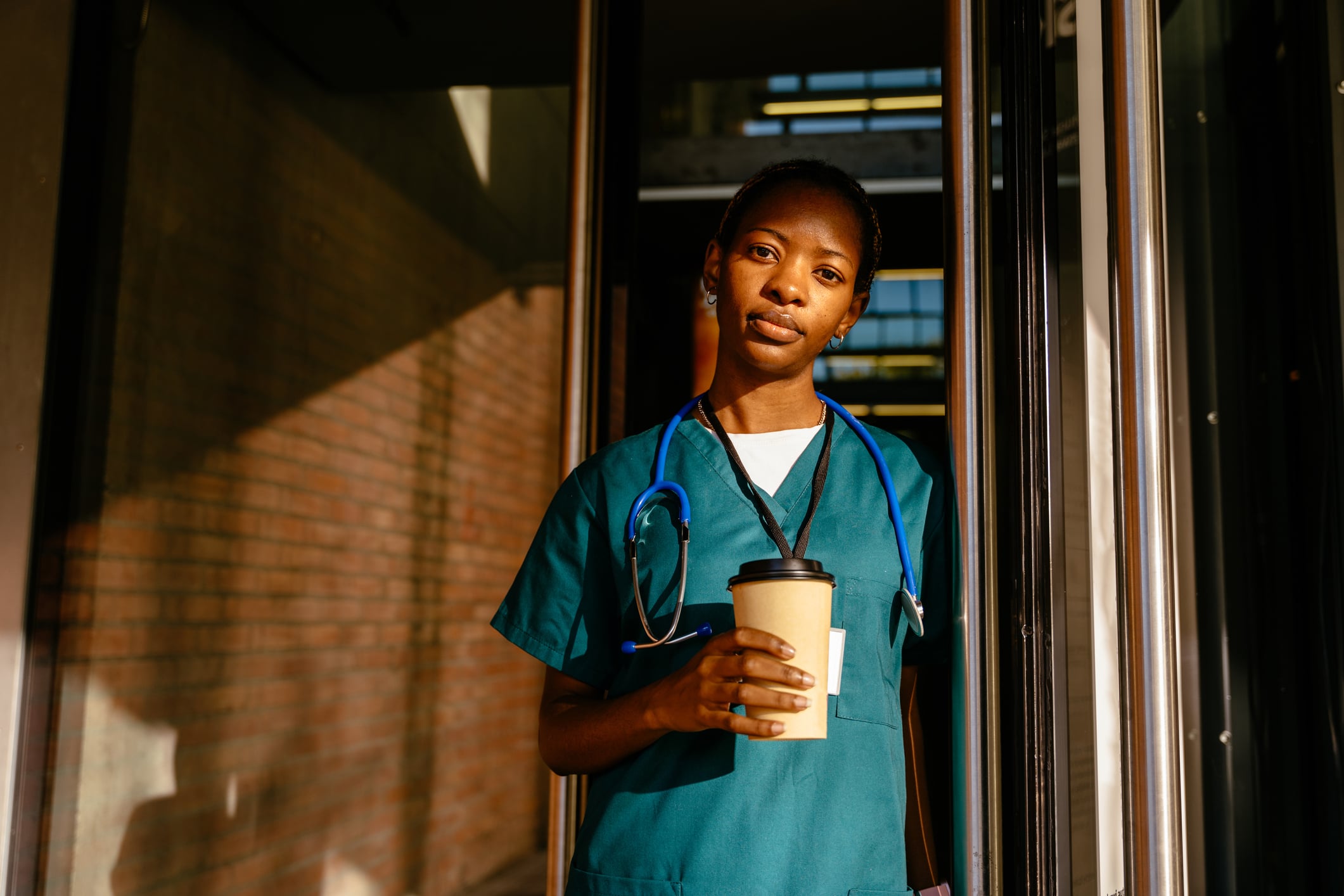
Increasing the presence of minority groups within the medical field is a pressing issue in healthcare today. When one walks into the average doctor’s office or hospital, one cannot help but realize that there is not enough diversity within the medical field. The sparingly present racial and ethnic groups in medicine are more formally referred to as the Underrepresented Minorities.
African-Americans comprise about 13 percent of the American population but, they make up only four percent of American physicians. – AAMC
Groups that are underrepresented in medicine are present, as physicians or other medical professionals, in small numbers relative to their presence in the population as a whole. For example, though African-Americans comprise about 13 percent of the American population, they make up only four percent of American physicians (AAMC). Furthermore, the 14 percent presence of Hispanics in the American population is hardly reflected by the mere six percent of Hispanics coming out of U.S. medical schools in recent years. It goes without saying that there are some negative side effects that stem from this lack of diversity within American healthcare.
The medical professionals of the U.S. simply do not reflect the mosaic of racial and ethnic groups that comprise our population, and this indeed has social and cultural implications. Patients not only come with symptoms and disorders, but they also come with different social and cultural backgrounds.
Being a medical professional is about more than just understanding how the human body works—medical professionals need to be able to relate to their patients on a personal level as well. When caring for such a diverse population, our medical professionals must be both culturally competent and reflective of the patient population. Understanding and relating to patients is an important part of medicine, and it can make a huge difference in the patients’ experience if their healthcare providers are able to do this.
Beyond the social and cultural reasons that call for a diversified healthcare force lie the needs of underserved communities. Underserved communities are those which face economic, cultural, or linguistic barriers to healthcare (DOH). There have been studies that show underrepresented physicians (African-Americans, Latinos, American Indians, and Pacific Islanders) are far more likely to practice in underserved communities than their white counterparts. Because theseunderserved communities may benefit from a more accessible healthcare system, when underrepresented groups serve them, the healthcare disparities that afflict these communities are likely to be mitigated by an increase in the amount of underrepresented physicians.

With this now in mind, it is apparent that increasing the prevalence of underrepresented minorities within the medical field can also decrease healthcare disparities.
So, how can WCU help? The first thing we can do, as a university, is diversify our own pre-health programs. We can then work to support and embrace this diversified community of pre-health students. Lastly, we can reach out to the younger people of the West Chester community, encouraging them to pursue careers within the healthcare field as well. Through these three objectives, WCU can contribute to the national effort of diversifying the American healthcare force.
Minorities in Medicine wishes you all the best this semester, and we look forward to seeing many of you pre-health students get involved with this organization.