

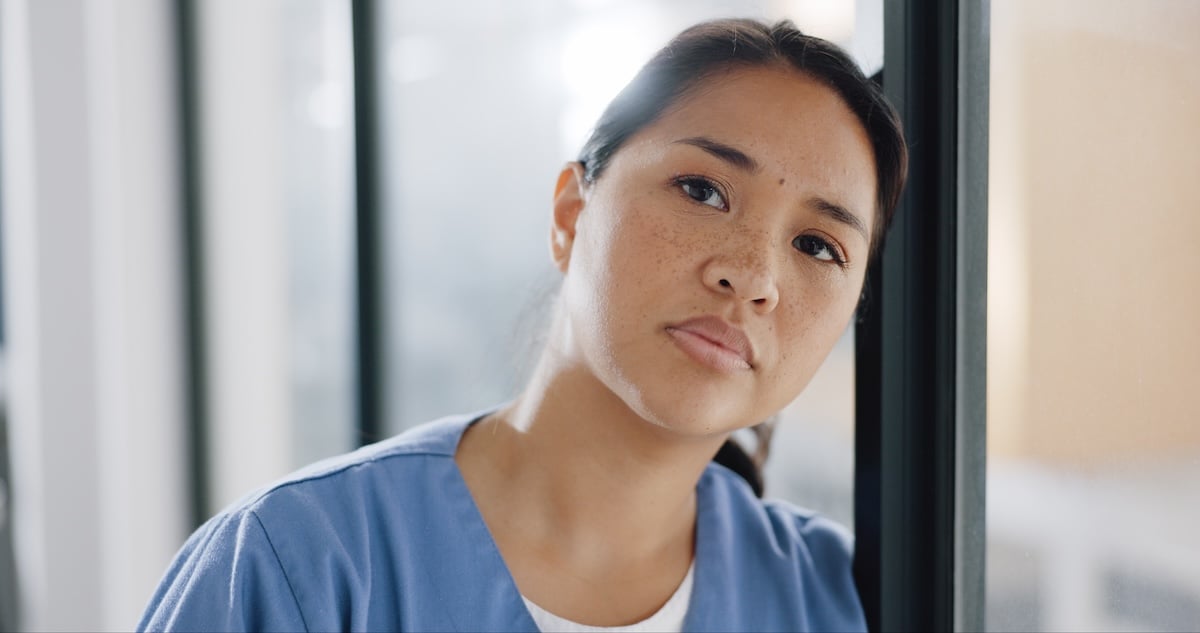
Healthcare is built on compassion, trust, and teamwork. Yet, even in environments dedicated to healing, subtle forms of bias can still occur. Microaggressions, brief, often unintentional comments or behaviors that convey bias, are a common but underrecognized challenge in healthcare.
For Nurses, who are at the center of patient care and interdisciplinary collaboration, understanding microaggressions is essential. Not only do they impact workplace culture, but they can also affect patient outcomes, staff retention, and overall well-being.
What Are Microaggressions?
Microaggressions are everyday verbal, behavioral, or environmental slights that communicate negative or stereotypical messages to individuals based on aspects of their identity, such as race, gender, age, religion, sexual orientation, or ability.
They are often subtle and may be dismissed as harmless. However, their cumulative impact can be significant.
Examples in healthcare may include:
- Questioning a Nurse’s qualifications based on their appearance or accent
- Mistaking Nurses of color or male Nurses for non-clinical staff
- Making assumptions about a patient’s lifestyle, compliance, or education level
- Comments like “You’re so articulate” or “Where are you really from?”
While these remarks may not always be intended to harm, they can create an environment where individuals feel undervalued or excluded.
How Microaggressions Show Up in Healthcare Settings
Microaggressions can occur in interactions with patients, colleagues, or leadership. Because healthcare is fast-paced and high-stress, these moments can easily go unchecked.
From Patients:
Patients may refuse care from Nurses based on race, gender, or perceived background, or make insensitive remarks during treatment.
From Colleagues:
Coworkers may interrupt, dismiss ideas, or make assumptions about roles or capabilities.
From Leadership or Systems:
Policies or workplace cultures that unintentionally favor certain groups over others can reinforce inequities.
These experiences can lead to burnout, decreased job satisfaction, and emotional fatigue, issues already prevalent in the nursing profession.
The Impact on Nurses and Patient Care
Microaggressions are not just interpersonal issues, they are workplace and patient safety concerns.
For Nurses, repeated exposure can lead to:
- Increased stress and anxiety
- Feelings of isolation
- Decreased engagement at work
- Higher risk of burnout
For patients, a workplace affected by bias can result in:
- Miscommunication
- Reduced trust in care teams
- Health disparities
Creating an inclusive environment is not just about workplace culture, it directly supports better patient outcomes.
How Nurses Can Respond to Microaggressions
Addressing microaggressions can feel uncomfortable, especially in hierarchical healthcare settings. However, there are practical strategies Nurses can use to respond in the moment or afterward.
1. Pause and Assess
Not every situation allows for an immediate response. Take a moment to assess safety, intent, and the best course of action.
2. Use Clear, Professional Language
If you feel comfortable, address the comment directly:
- “Can you clarify what you meant by that?”
- “That comment made me uncomfortable.”
- “I’d prefer to be addressed as the Nurse caring for you.”
3. Set Boundaries with Patients
If a patient makes inappropriate remarks, it is appropriate to redirect:
- “I’m here to provide your care. Let’s keep our conversation respectful.”
In some cases, involving a supervisor may be necessary.
4. Support Your Colleagues
If you witness a microaggression, speak up when appropriate:
- “I don’t think that came across the way you intended.”
- “Let’s make sure everyone’s perspective is heard.”
Allyship plays a critical role in fostering inclusive environments.
5. Document and Report When Needed
Repeated or serious incidents should be documented and reported through appropriate workplace channels to ensure accountability.
6. Practice Self-Care and Seek Support
Experiencing microaggressions can be emotionally taxing. Connecting with trusted colleagues, mentors, or employee resource groups can help process these experiences.
Moving Toward a More Inclusive Healthcare Environment
Reducing microaggressions in healthcare requires both individual awareness and systemic change. Ongoing education, open dialogue, and leadership accountability are key.
Healthcare organizations can support Nurses by:
- Providing training on implicit bias and cultural competency
- Encouraging open conversations about workplace experiences
- Creating clear policies for reporting and addressing discrimination
For Nurses, recognizing and addressing microaggressions is part of advocating, not only for themselves but also for their colleagues and patients.
Microaggressions may be subtle, but their impact is real. By increasing awareness and equipping Nurses with tools to respond, the healthcare community can move closer to a more respectful, inclusive, and supportive environment for all.
Every interaction matters. And small changes in how we communicate can make a meaningful difference in the culture of care.