

The United States is projected to face a shortage of more than 250,000 Registered Nurses by 2028, making the nursing shortfall difficult to ignore. It is dominating headlines, shaping policy discussions, and reflected in the experiences of anyone who has waited hours in an understaffed emergency department. Yet, despite this attention, we are not sufficiently examining the underlying causes of this crisis.
In addition to the bedside nursing shortage, there is a widening gap in Advanced Practice Providers, Clinical Educators, and Nurse leaders who direct care delivery and guide teams. These professionals are responsible for educating and mentoring the next generation of Nurses, and without sufficient numbers of them, the talent pipeline will slow dramatically.
Data from the American Association of Colleges of Nursing show, in the most recent academic year, more than 65,000 qualified applicants were denied admission to nursing programs, primarily because institutions did not have enough faculty to instruct them.
The national nursing faculty vacancy rate is currently close to 7%, leaving nearly 1,700 positions unfilled. More than one-third of nursing faculty members are over age 60, and an accelerating wave of retirements is further intensifying the shortage.
At the same time, faculty compensation lags behind clinical salaries by 20% to 30%, making it challenging to recruit and retain doctoral-prepared Nurses in academic roles when they can earn substantially more in direct patient care.
This dynamic creates a self-perpetuating cycle: too few educators lead to too few seats in nursing programs, which in turn produce too few graduates entering the workforce. If unaddressed, the bedside shortage will continue to deepen. Disrupting this cycle requires expanding access to graduate nursing education — for both the Nurses seeking advanced degrees and the faculty needed to teach them. Well-designed online graduate programs offer one of the most effective ways to achieve both goals.
For Nurses seeking to advance their careers, whether through a Master’s degree, a Doctor of Nursing Practice, or a specialized certification, traditional, campus-based graduate programs often pose significant obstacles. Many are working full time, caring for families, or living in rural communities far from academic medical centers. Faculty members face similar constraints. By easing the demands of frequent travel and rigid schedules, we can better recruit and retain experienced educators and make the profession more accessible and appealing to the next generation.
Online graduate programs eliminate many of these barriers while maintaining academic thoroughness. The most effective models do this not by replacing hands-on learning, but by integrating it thoughtfully. A hybrid design works best, pairing high-quality online coursework with structured on-campus experiences such as direct faculty mentorship and simulation-based training. This approach gives students the flexibility they need without sacrificing the experiential learning required for safe, competent clinical practice.
Online graduate nursing programs are not a temporary fix. They function as a powerful workforce development strategy, broadening access for students, reducing logistical burdens on faculty, and preparing future clinicians to navigate telehealth and digital care workflows before they enter practice.
Addressing the nursing workforce crisis requires more than increasing the number of new graduates, it demands strategic investment in the current nursing workforce and the creation of accessible pathways to advanced degrees, leadership positions, and academic careers.
Academic institutions must prioritize the development and sustained funding of online graduate programs, while accrediting bodies should focus on evaluating these programs based on outcomes rather than delivery format. Online graduate education has been evolving toward this role for years; now is the time to invest in, expand, and recognize it as one of the most effective tools available to address the nursing workforce crisis.
 The Clinical Nurse Leader (CNL) role was created by the American Association of Colleges in Nursing (AACN) in 2003.
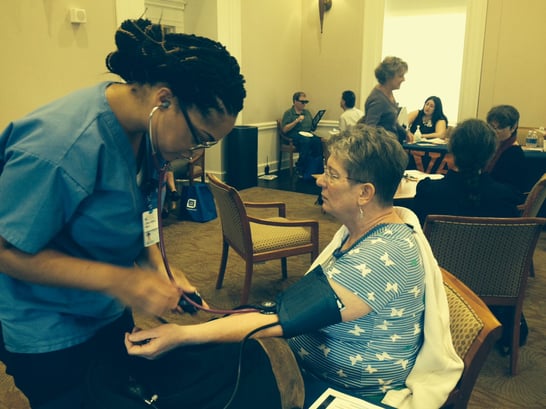 Washington DC area philanthropists Joanne and Bill Conway have committed to a $5 million gift to support our CNL program, funding the education of more than 110 new nurses over five years, beginning in 2018. The Conways, who gave a similar gift to UVA Nursing in 2013 are, with this transformative gift, renewing their pledge to encourage a broader diversity in the students who enroll in this program.
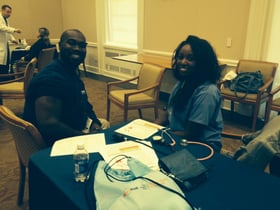 All Conway Scholars (entering this summer `17, to graduate in 2019) receive a year-long grant for tuition and related expenses ($24k over the year). The new gift, which will begin funding students in 2018