
Something Powerful

Tell The Reader More

The headline and subheader tells us what you're offering, and the form header closes the deal. Over here you can explain why your offer is so great it's worth filling out a form for.

Remember:

  • Bullets are great
  • For spelling out benefits and
  • Turning visitors into leads.

DiversityNursing Blog

Navigating Nursing School As A Non-Traditional Student

Posted by Erica Bettencourt

Thu, Feb 05, 2026 @ 09:46 AM

Returning to school later in life or balancing nursing education with family and career responsibilities can feel overwhelming, but non-traditional students (NTS) bring unique strengths that make them exceptional nurses.

What Makes You A Non-Traditional Nursing Student

If you're pursuing your nursing degree while juggling a full-time job, caring for dependents, or attending school part-time, you're part of a growing majority in higher education. Over 70% of students today fit the criteria of "non-traditional," and nursing programs are seeing more and more students who bring rich life experience to their studies. Non-traditional nursing students often share common characteristics: they may be financially independent, supporting families, changing careers later in life, or balancing multiple responsibilities that extend far beyond the classroom and clinical setting.

What distinguishes you from traditional students isn't a deficit, it's a different set of circumstances that requires unique strategies and support systems. You might be a parent attending evening classes after putting your children to bed, a working professional completing prerequisites on weekends, or someone who served in the military and is now transitioning to healthcare. Perhaps you're a certified nursing assistant (CNA) seeking to advance your career, or you've spent years in another field and discovered your calling to nursing later in life.

Recognizing yourself as an NTS is the first step in advocating for your needs and accessing resources specifically designed to support your success. Many nursing programs now offer flexible scheduling options, online coursework, accelerated pathways, and evening or weekend clinical placements to accommodate diverse student populations. Understanding that you're not alone in facing these challenges, and that your circumstances are increasingly the norm rather than the exception, can help you approach nursing school with confidence and realistic expectations.

Leveraging Your Life Experience As Your Greatest Asset

Your years in the workforce, experiences raising a family, managing household finances, or navigating personal challenges have equipped you with skills that many traditional students are still developing. As an NTS, you bring emotional maturity, time management abilities, problem-solving skills, and a depth of empathy that comes from lived experience. These qualities translate directly into clinical competence and patient care excellence. 

Non-traditional students often demonstrate stronger motivation and clearer career focus than their counterparts. You've made a deliberate choice to pursue nursing, often with full awareness of the sacrifices involved. This intentionality drives persistence through challenging coursework and demanding clinical rotations. You're less likely to question whether nursing is the right path because you've already invested significant thought and planning into this decision. Your maturity also helps you maintain perspective during stressful periods, you understand that a difficult exam or challenging clinical day is temporary, not catastrophic.

Don't underestimate the professional skills you've developed in previous careers or life roles. If you've worked in customer service, you already understand patient-centered communication. If you've managed projects or teams, you have organizational skills that will serve you well in coordinating patient care. If you've parented children through illnesses or cared for aging relatives, you've developed assessment skills and the ability to remain calm under pressure. Make connections between your past experiences and nursing concepts during your studies. When instructors discuss therapeutic communication, reflect on successful conversations you've navigated in your personal or professional life. When learning about care coordination, consider how you've managed complex family or work situations. These mental connections will deepen your understanding and help you retain information more effectively.

A Balancing Act Without Burning Out

The reality of nursing school as an NTS means that your study time competes with work shifts, family obligations, and basic self-care needs. Burnout is a genuine risk when you're constantly operating in multiple demanding roles simultaneously. The key to sustainability isn't working harder, it's working smarter and setting boundaries that protect your physical and mental health. Start by having honest conversations with family members, employers, and instructors about your commitments and limitations. Many non-traditional students try to maintain the same level of performance in all areas of their lives, leading to exhaustion and resentment. Instead, recognize that nursing school is a temporary season that may require adjustments to your usual standards.

Create a realistic weekly schedule that accounts for all your commitments, including class time, clinical hours, study sessions, work shifts, family responsibilities, and essential self-care activities like sleep, meals, and exercise. Use digital calendars with color-coding to visualize where your time goes and identify potential conflicts early. Build in buffer time between commitments rather than scheduling back-to-back obligations. If you have a clinical shift that ends at 3 p.m. and need to pick up children at 4 p.m., that buffer hour prevents the constant stress of rushing. When possible, batch similar tasks together, prepare multiple meals on your day off, complete several reading assignments in one focused study session, or schedule back-to-back appointments to minimize transition time.

Learn to recognize your personal warning signs of burnout: persistent fatigue, irritability, difficulty concentrating, changes in sleep or appetite, or loss of motivation. When you notice these signs, it's time to reassess and make adjustments before reaching a crisis point. This might mean reducing work hours for a semester, asking family members to take on additional household tasks, or utilizing campus resources like tutoring services to make study time more efficient. Remember that asking for help isn't a sign of weakness, it's a strategic decision that increases your likelihood of success.

Communicate proactively with instructors if you're struggling; many are willing to provide extensions or additional support when students demonstrate genuine effort and communication. Most importantly, protect non-negotiable self-care activities. Skipping sleep to study might seem productive in the short term, but it impairs cognitive function and clinical performance, ultimately working against your goals.

Building Your Support Network And Finding Community

One of the greatest challenges NTS face is feeling isolated from peers who may be at different life stages or have fewer competing responsibilities. Building a strong support network, both within your nursing program and in your personal life, is essential for navigating the demands of nursing school. Start by connecting with other NTS in your cohort. You'll likely find that many classmates share similar challenges, even if their specific circumstances differ. Form study groups that meet at times accommodating to various schedules, or create online chat groups for quick questions and mutual encouragement. These connections provide both academic support and emotional validation when you're feeling overwhelmed.

Don't overlook the support available through your nursing program and campus resources. Many schools offer specific services for NTS, including childcare assistance, evening tutoring hours, financial aid counseling, and career services tailored to career changers. Academic advisors can help you plan course sequences that align with your work schedule or family commitments. Seek out faculty members who demonstrate understanding of NTS challenges, they can become valuable mentors who provide guidance, recommendation letters, and professional connections. Some nursing programs have peer mentorship initiatives that pair new students with those further along in the program, offering practical advice and encouragement from someone who has successfully navigated similar challenges.

Equally important is cultivating support in your personal life. Have frank discussions with family members about the demands of nursing school and how they can help. This might involve partners taking on more household responsibilities, older children contributing to chores, or extended family providing childcare during exam periods. If you're working while in school, explore whether your employer offers tuition assistance, flexible scheduling, or reduced hours during particularly demanding semesters. Some healthcare employers specifically support employees pursuing nursing degrees because they're investing in their future workforce. Finally, connect with the broader nursing community through professional organizations, online forums, and social media groups focused on nursing students.

Practical Study Strategies And Time Management Tips That Actually Work

Non-traditional nursing students rarely have the luxury of uninterrupted study time, so efficiency becomes paramount. Instead of trying to replicate the study habits of traditional students who may have hours of free time daily, develop strategies that maximize limited, fragmented study opportunities. Active learning techniques are particularly effective when time is scarce. Rather than passively reading textbooks for hours, engage with material through practice questions, concept mapping, teaching concepts to family members, or creating flashcards you can review during brief moments throughout your day. Use commute time, lunch breaks, or time waiting for appointments to review digital flashcards or listen to nursing podcasts that reinforce lecture content.

Prioritize understanding over memorization by focusing on the "why" behind nursing interventions. When you understand underlying mechanisms, you can apply knowledge to novel situations rather than trying to memorize every possible scenario. This approach is not only more effective for exams but also prepares you for clinical decision-making. Break large projects and exam preparation into small, manageable tasks that fit into your schedule. Instead of planning to "study pharmacology" for three hours, identify specific objectives: "review cardiac medication mechanisms for 30 minutes" or "complete 20 practice questions on diuretics." These concrete, achievable goals prevent procrastination and provide a sense of progress even when you can't devote large blocks of time to studying.

Leverage technology to enhance efficiency. Use apps for spaced repetition learning, which helps transfer information to long-term memory with less total study time. Record lectures (with permission) to review while doing household tasks or exercising. Join online study groups that meet virtually, eliminating commute time and allowing participation from home after family responsibilities are handled. Create a dedicated study space, even if it's just a corner of your dining table, where materials are organized and ready to use. This eliminates the time lost to gathering supplies and helps you mentally transition into study mode quickly.

Most importantly, communicate your study schedule to family members and protect that time as you would a work shift or clinical placement. Consistency in study routines, even if the time blocks are small, is more effective than sporadic marathon sessions that disrupt your entire household and lead to exhaustion. Remember that your goal isn't to study as much as traditional students, it's to study as effectively as possible given your unique circumstances, drawing on the discipline and time management skills you've already developed through your life experience.

Topics: nursing schools, nursing student, nursing students, nursing school, nursing program, nursing degree, non-traditional student, non-traditional nursing student, NTS

Frontier Nursing University Introduces Office of Student Engagement, Access, and Success

Posted by Frontier Nursing University

Thu, Oct 02, 2025 @ 12:08 PM

Frontier remains committed to fostering an environment that values and supports all students and honors diverse backgrounds, perspectives, and experiences.  

VERSAILLES, Ky. – Frontier Nursing University (FNU) has established an Office of Student Engagement, Access, and Success. This strategic initiative places student success as the university's central priority while ensuring comprehensive support from enrollment to graduation and beyond. 

“The development of this new office underscores Frontier Nursing University’s commitment to students,” FNU President Dr. Brooke A. Flinders said. “Frontier fosters a culture and an environment where every student is empowered to thrive and make a lasting difference.”

The Office of Student Engagement, Access, and Success consolidates critical student services under unified leadership, ensuring seamless support throughout each student's academic journey. Students will benefit from integrated academic coaching and advising, mental health and wellness programs, peer-to-peer mentoring, student interest groups and accessibility services. These services are all designed to work together rather than in isolation. By centralizing these essential functions, the university creates clear pathways to success while eliminating barriers that might otherwise prevent students from reaching their full potential.

"This is not about reorganizing existing services, it's about creating a unified support ecosystem where every touchpoint reinforces our commitment to student success," said Dr. Paula Alexander-Delpech, the inaugural Dean of Student Success. “Our dedicated team has stepped up to transform how we serve students, ensuring that from day one, every student feels genuinely supported and empowered to thrive."

FNU remains committed to its mission of providing a high-quality education that prepares nurses to become competent, entrepreneurial, ethical and compassionate nurse-midwives and nurse practitioners. The mission can only be fulfilled through a learning environment that values every individual and honors diverse backgrounds, perspectives, and experiences.

About Frontier Nursing University:


The mission of Frontier Nursing University is to provide a high-quality education that prepares nurses to become competent, entrepreneurial, ethical and compassionate nurse-midwives and nurse practitioners to work with all people, with an emphasis on rural and underserved communities. FNU offers graduate Nurse-Midwifery and Nurse Practitioner distance education programs that can be pursued full- or part-time with the student’s home community serving as the classroom. Degrees and options offered include Doctor of Nursing Practice (DNP), Master of Science in Nursing (MSN), or Post-Graduate Certificates. Frontier has been named a “Great College to Work For” by the Great Colleges to Work For® program for each of the past five years (2021-2025). To learn more about FNU and the programs and degrees offered, please visit Frontier.edu

Topics: student nurse, nursing student, nursing students, nursing school, Frontier Nursing University, FNU, student nurses, nursing university, Student Engagement

Starting Nursing School: What to Expect and How to Prepare

Posted by Carlos Perez

Thu, Aug 21, 2025 @ 12:35 PM

Congratulations! The decision to begin Nursing school is not only brave, it's life-changing. As a Nurse, I know the butterflies (and possibly the nerves) that come with this big leap. Whether you’re fresh out of high school, changing careers, or pursuing a lifelong dream, here’s my candid advice for those stepping into this new world.

What to Expect in Nursing School

An Intense but Rewarding Workload
Nursing school isn’t just “hard”, it’s a unique balance of science-heavy classes, hands-on clinicals, and the deep emotional learning that comes with caring for others. Expect lots of reading, group projects, pop quizzes, and skills check-offs. It’s challenging, but the moments when you really connect theory to practice make it all worthwhile.

Clinicals: Where the Magic Happens
You’ll spend time in hospitals, clinics, or care centers learning directly from professionals. These experiences are both thrilling and intimidating at first. Remember, everyone feels nervous! Embrace mistakes as learning opportunities, ask questions, and soak up every moment.

A Sense of Community (and Camaraderie)
Your classmates will become your support system, study buddies, and most importantly, lifelong friends. Lean on each other, celebrate wins, and help someone up when they’re down. Nursing is about teamwork from day one.

Personal and Professional Growth
Nursing school isn’t just about medical knowledge. You’ll become more resilient, patient, organized, and adaptable. Expect to face ethical dilemmas, emotional challenges, and days when you question yourself. That’s all part of your growth as a future Nurse.

How to Prepare for Nursing School

Get Organized Early
Invest in a sturdy planner or digital calendar. Keep track of assignments, tests, skills labs, and clinical rotations. Getting (and staying) organized helps reduce stress and ensures you never miss an important deadline.

Master the Basics

  • Review anatomy, physiology, and medical terminology.

  • Brush up on basic math for safe medication calculation, you’ll need it!

Practice Self-Care
Nursing school will stretch you, so plan time for meals, rest, exercise, and fun. Burnout is real, but manageable with the right routines. Don’t neglect your health for your grades!

Harness Your Support System
Tell family and friends about your journey. Let them know when you’ll need encouragement or space to study. Leaning on your support network is a sign of strength, not weakness.

Be Ready to Ask for Help
There’s no shame in seeking assistance, whether it’s clarification from a professor, advice from a mentor, or counseling services for stress. Nursing school is a team effort.

Find Your “Why”
On tough days, remembering why you chose Nursing will keep you moving forward. Whether it’s to help others, chase your passion, or build a stable career, hold close to your motivation.

Essential Items Every Nursing Student Should Have

Heading into Nursing school prepared makes a huge difference, you’ll be more organized, comfortable, and ready for whatever the day brings. Here’s a list of must-have items to pack, buy, or keep on hand:

Stethoscope
A reliable stethoscope is vital for clinical skills and patient care. Choose a quality model that feels comfortable, you’ll use it every day.

Comfortable, Professional Scrubs
Invest in a few sets of scrubs that fit well, breathe, and are easy to wash. Some schools have color requirements, so check your guidelines before buying.

Supportive Shoes
You’ll be on your feet for hours. Go for non-slip, comfortable footwear made for healthcare settings. Your feet (and back) will thank you!

Watch With a Second Hand
Many clinical tasks require accurate time tracking (pulse counts, medication administration, and more.) A simple, waterproof watch is best.

Notebooks, Pens, and Highlighters
Jot down notes during lectures and clinicals. Color-coding helps keep info organized and makes study sessions more effective.

Clipboard (preferably with storage)
Useful for holding papers, forms, medication sheets, plus, a clipboard with storage keeps everything together as you move through your day.

Medical Reference Pocket Book or App
Having quick access to drug guides, medical terminology, or procedure notes can be a lifesaver, especially during clinical rotations.

Water Bottle and Healthy Snacks
Long days demand hydration and fuel. Bring a sturdy water bottle and portable snacks (nuts, granola bars, fruit) for energy when break times are short.

Hand Sanitizer and Sanitizing Wipes
Staying germ-free is a must, both at school and on the job. Keep hand sanitizer and wipes handy for a quick clean.

ID Badge Holder or Lanyard
Secure your student or hospital ID, many clinical sites require you to wear it at all times.

Planner or Digital Organizer
Keep track of assignments, shifts, exams, and appointments. Staying organized will lower your stress and help you meet deadlines.

Compression Socks
Extra support can reduce fatigue and swelling during long clinical shifts.

With these essentials, you’ll start Nursing school ready for learning, caring for patients, and tackling anything the day brings!

Nursing school is a wild, wonderful ride. You’ll fill your brain and your heart more than you ever thought possible. Be curious, stay kind (especially to yourself), and remember: every great Nurse was once a student just like you.

You’re about to embark on a journey that truly makes a difference. Embrace it all, you’ve got this!

Topics: nursing schools, student nurse, nursing student, nursing students, nursing school, student nurses

Exploring the Benefits and Paths to Nursing Higher Education

Posted by Ryanna Brown

Thu, Mar 20, 2025 @ 10:34 AM

As the healthcare sector continues to progress, the need for highly skilled Nursing professionals is more evident than ever. Pursuing further education in Nursing not only improves patient care but also provides opportunities for leadership positions, specialized practice, and increased compensation. For those contemplating an advanced Nursing degree, understanding the advantages and available pathways is needed for making an informed decision.

Benefits of Advanced Nursing Degrees

Increased Career Opportunities

A higher degree in Nursing expands your career options beyond bedside care. With an advanced degree, you can pursue roles such as Nurse Practitioner (NP), Clinical Nurse Specialist (CNS), Nurse Educator, or Healthcare Administrator. These positions often come with greater autonomy and influence in patient care and policy-making.

Higher Earning Potential

Advanced degrees often lead to higher salaries. According to the U.S. Bureau of Labor Statistics, Nurse Practitioners earn a median salary significantly higher than Registered Nurses (RNs). Leadership roles, such as Nurse Managers or Directors, also come with competitive compensation.

Specialization and Expertise

Advanced degrees allow Nurses to specialize in fields such as acute care, family practice, psychiatric-mental health, or informatics. Specialization enhances clinical expertise, making you a valuable asset in your chosen area.

Greater Job Satisfaction

With more knowledge and skills, advanced-degree Nurses often experience higher job satisfaction. Many find fulfillment in expanded roles that allow them to diagnose and treat patients, influence healthcare policies, and educate future Nurses.

Increased Autonomy

Nurse Practitioners, especially in states with full practice authority, can diagnose conditions, prescribe medications, and develop treatment plans without physician oversight. This level of independence is appealing to many Nurses looking for professional growth.

Paths to Higher Nursing Education

Master of Science in Nursing (MSN)

An MSN is a common choice for Nurses seeking advanced practice roles or leadership positions. Popular MSN specializations include:

  • Nurse Practitioner (NP) – Provides primary or specialized care.

  • Clinical Nurse Specialist (CNS) – Focuses on improving patient outcomes in a specific field.

  • Nurse Educator – Prepares Nurses for academic or clinical teaching roles.

  • Nurse Administrator – Trains Nurses for leadership in healthcare organizations.

Doctor of Nursing Practice (DNP)

A DNP is a terminal practice-focused degree for Nurses who want to lead in clinical practice, healthcare systems, or policy-making. DNP graduates often hold executive roles or shape healthcare improvements at a systemic level.

Doctor of Midwifery (D.Mid)

Some programs offer a Doctor of Midwifery degree, which is a terminal doctoral degree focused on midwifery practice and research. This advanced degree is designed for those who wish to deepen their expertise in the field of midwifery, emphasizing both the practical and theoretical aspects of the profession.

PhD in Nursing

A PhD in Nursing is a research-focused degree ideal for those interested in academia or conducting groundbreaking studies to advance Nursing science. PhD Nurses contribute to evidence-based practice and improve patient care through research.

Post-Master’s Certificates

For Nurses who already hold an MSN, post-master’s certificates offer an opportunity to specialize in another area, such as psychiatric-mental health or gerontology, without pursuing another full degree.

Selecting the best degree depends on your career goals, interests, and financial situation. If direct patient care excites you, an NP program might be ideal. If you’re drawn to leadership, consider a DNP. If research and teaching are your passions, a PhD could be the right fit.

Advancing your Nursing education can open new career doors, increase your earning potential, and improve job satisfaction. Whether you choose an MSN, DNP, or PhD, each path offers unique benefits that can elevate your impact on healthcare. If you’re ready to take the next step, explore accredited programs and start planning your future in advanced Nursing today.

Topics: nursing student, higher education, nurse education, certificates, certification, higher ed, nurse, nursing skills, nursing workforce, advanced nursing degrees, nursing specialties

FNU Makes 2023 Diversity Impact Conference Available to External Attendees

Posted by Frontier Nursing University

Tue, May 16, 2023 @ 10:25 AM

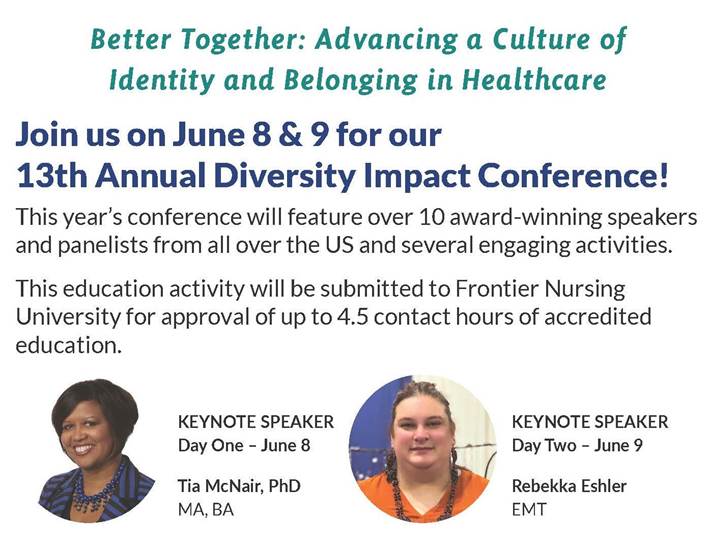
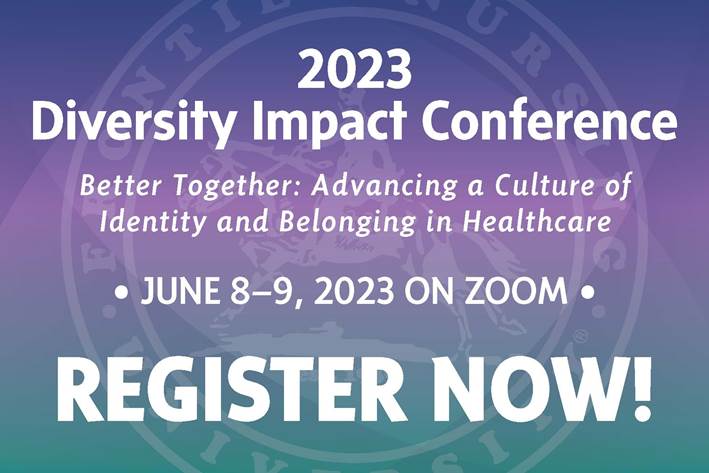
Frontier-Nursing-1Versailles, Ky. – On June 8-9, 2023, Frontier Nursing University (FNU) will hold its annual Diversity Impact Conference. The Diversity Impact Conference brings together renowned thought leaders and speakers to increase awareness of the importance of diversity, equity, and inclusion (DEI) in the healthcare workforce, particularly for those working in underserved and rural communities. This year, for the first time, the conference will be available for attendees outside of FNU.
“We are extremely excited about the 2023 Diversity Impact Conference,” said FNU Chief Diversity and Inclusion Officer Dr. Paula Alexander-Delpech, Ph.D., PMHNP-BC, APRN. “The Conference gets better each and every year, and we are putting the finishing touches on the plan for this year’s sessions. We are most excited, however, about being able to include more attendees this year. As we grow this important event, we want to invite leaders and students from some of our area universities to join us. This event is all about collaboration, learning, and growing. I’m confident that it will benefit any university, department, or individual.”

The 2023 Diversity Impact Conference will be conducted via Zoom. The theme of this year’s conference is “Better Together: Advancing a Culture of Identity and Belonging in Healthcare.” The two-day event will feature keynote presentations on both days from nationally recognized leaders in diversity, equity, and inclusion. Additional sessions will include panel discussions, breakout sessions, and time for reflection.

The opening keynote address will be given by Dr. Tia Brown McNair, Vice President of the Office of Diversity, Equity, and Student Success and Executive Director for the Truth, Racial Healing, and Transformation (TRHT) Campus Centers at the American Association of Colleges and Universities (AAC&U) in Washington, D.C. On the second day of the conference, the keynote speaker will be Rebekka Eshler, National President of the Transgender American Veterans Association in Washington, D.C.  All speaker bios and the full conference schedule can be found at https://frontier.edu/diversity-impact/

The learning outcomes attendees can expect to take away from the Diversity Impact Conference include:

  • Identify specific strategies to create a culture of belonging amongst peers and the larger community
  • Discuss the causes behind healthcare disparities and their effect on creating a culture of belonging
  • Reflect on ways to effectively engage in spaces to promote diversity in identity
  • Practice ways to build collaborative communities

Students attending any institution can register for the conference for free. All others can register at the registration price of $99 until the day before the event. For more information about the 2023 Diversity Impact Conference and to register, please visit https://frontier.edu/diversity-impact/.

#####

About Frontier Nursing University:

The mission of Frontier Nursing University is to provide accessible nurse-midwifery and nurse practitioner education that integrates the principles of diversity, equity, and inclusion. We transform healthcare by preparing innovative, ethical, compassionate, and entrepreneurial leaders to work with all people with an emphasis on rural and underserved communities. FNU offers graduate Nurse-Midwifery and Nurse-Practitioner distance education programs that can be pursued full- or part-time with the student’s home community serving as the classroom. Degrees and options offered include Doctor of Nursing Practice (DNP), Master of Science in Nursing (MSN), or Post-Graduate Certificates. In 2021 and 2022, Frontier was named a “Great College to Work For” by the Great Colleges to Work For® program. To learn more about FNU and the programs and degrees offered, please visit Frontier.edu.

image001-May-16-2023-02-16-40-9587-PM

image002


Topics: nursing schools, School of Nursing, student nurse, nursing student, nursing students, nursing school, Frontier Nursing University, diversity, inclusion, health equity, Diversity and Inclusion, student nurses, DEI, Diversity, Equity and Inclusion, diversity equity inclusion, Diversity Impact conference, conference

14 Items That New Nurses Should Have in Their Bag

Posted by Erica Bettencourt

Mon, Sep 29, 2014 @ 01:22 PM

By Rena Gapasin

new nursing grad bag.jpg

If you are a nursing student or new nurse, you are probably wondering what you will need in your work bag. Aside from your personal stuff, what are the things you bring that signifies you are a nurse?

These nursing supplies listed below are a must if you want to do your job efficiently.

The most common supplies nurses have in their bags are:

  1. Stethoscope

    This is one of the most important tools of the trade. Nurses use this tool to listen to things such as the heart, veins, and intestines to make sure proper function. According to Best Stethoscope Reviews, here are the 6 best stethoscopes to buy. As you surely know, it's one of the most important tools for a patient's assessment.

    One of today's leading stethoscope brands is Littmann. You can choose from the classic style to the most advanced kind.

  2. Books

    A handy reference listing down common medicines and conditions. MIMS provides information on prescription and generic drugs, clinical guidelines, and patient advice. Nurses can also use Swearingen's Manual of Medical-Surgical Nursing, a complete guide to providing optimal patient care.

  3. Scissors and Micropore Medical Tape

    Bandage scissors are used for cutting medical gauze, dressings, bandages and others. Nurses need to have these in their pockets for emergency use, especially for wound care. Micropore tape is also important and should be readily available, for example, when your patient accidentally pulls his/her IV.

  4. Lotion and Hand Sanitizer

    Nurses never forget to wash their hands several times throughout the day, leaving their skin dry. That's why having lotion in their bags is important to keep the skin in good condition. Meanwhile, the sanitizer helps nurses steer clear of germs, along with other contagious agents.

  5. Six saline flushes

  6. Retractable pens

  7. Sanitary items - gauze, sterilized mask and gloves, cotton balls

  8. OTC pharmacy items (cold medicines, ibuprofen and other emergency meds)

  9. Small notebook - for taking notes from doctors and observations of your patients.

  10. Thermometer

  11. Tongue depressor

  12. Torniquet

  13. BP apparatus

  14. Watch with seconds hand

On Nurse Nacole’s website, she shares that she carries a drug handbook, intravenous medications, makeup mirror, tape measure, towel, lotion, wipes, 4 in 1 pen and a homemade cheat sheet for her patients.

Also, in MissDMakeup's What's In My Work Bag Youtube video, she has a box of batteries, tapes, a pack of gum, toothbrush, sanitizer, coupons, snacks, umbrella, stethoscope, pens, folder of her report sheet and information sheet, tampons, charger, name tag, ID, makeup bag, eye drops, lotion, hair clips, highlighter, pen light, and journal.

So, What's in My Bag?

In my bag, I have a 4-in-1 pen, a highlighter, IDs, bandage, journal to write some new information when I surf the net, my phone with medical e-books and medical dictionary in it, and other stuff like alcohol, sanitizer, over-the-counter meds (such as paracetamol, cold medicine, pain killers, multivitamins), eye drops, handkerchiefs, floss, toothbrush, nail file, band aids, and food.

Aside from my knowledge in providing quality patient care, I also bring things that can help me get through my shift. In an effort to make things more compact and easy for a nurse to get access to, most common nursing supplies are available in a portable kit. The size and styles are developing as new ways of making a nurse's shift easier.

These are just few of the essential nursing paraphernalia that a new nurse needs. 

What's in your bag that you can’t live without?

Source: nurse together

Topics: student nurse, nursing student, work, job, nurse bag, supplies, nursing, healthcare, nurses

Inspiring: Nursing Student Finds Sweet Anonymous Note of Encouragement in Textbook

Posted by Alycia Sullivan

Wed, Nov 20, 2013 @ 12:36 PM

By 

Courtesy Reddit

Nursing is often ranked among America’s most stressful careers, thanks to the job’s notorious long hours, physical exhaustion, and emotional toll. So when a nursing student in South Burlington, Vermont, found a veteran nurse’s touching, anonymous note of encouragement—along with a $10 Starbucks gift card—tucked inside a licensing exam study guide at Barnes and Noble, she felt moved to share it online.

“I’m assuming that if you’re thumbing through an NCLEX book that you’re probably nearing the end of nursing school,” the note, which was posted to social news site Reddit and has gone viral, begins. “I want to start by saying that you should be so proud of yourself! You’ve worked so hard to get here, and I promise you, it’s so worth it. I’ve been a nurse for 12 years and can’t imagine doing anything else.”

Courtesy Reddit

The handwritten letter included some thoughtful advice about how to deal with the stresses of a nursing career. “I want to let you know that the first year or two out of school is the hardest. But don’t give up and remember why you decided to become a nurse in the first place,” the note reads. “Be patient, and don’t beat yourself up. Don’t take things personally and when you’ve had a difficult situation, try to leave work at work.”

The note continues: “Two more very important things to remember are 1, be proud to be a nurse, and 2, believe in yourself. Also trust your instincts—they’re usually right!”

Courtesy Reddit

The letter ended with a pre-exam pep talk—along with the Starbucks gift card. “So grab some coffee and study for the NCLEX. I’m certain you’ll do fine,” the note says. “You’re going to be a great nurse! Remember, be proud and believe in yourself! You can do it!”

The note is signed: “XOXOXO, another nurse.”

describe the image

Amazingly, although the moving gesture was anonymous, the letter-writer and the student who found it connected online. “My wife put that letter in the book. South Burlington VT, right?” Reddit user TreeBore posted.

“YES!!! South Burlington VT!!! That’s awesome,” the original poster replied. “It was an amazing find, tell your wife thank you and that it really has inspired a lot of people, including my girlfriend. She takes her test tomorrow!”

“We both wish your girlfriend all the luck in the world!” TreeBore responded. “She will do fantastic.”

Several other nurses chimed online to say how spot-on the letter was. “As a registered nurse, who is working a night shift as I type this, this letter is exactly correct,” one commenter said. “Prioritization and believing in yourself are key when becoming a new nurse. Don’t let intimidation affect you. You will be amazed how much you will grow from your first day on the job compared to a year later.”

Another commenter agreed: “I would never have gotten where I am now if it weren’t for adherence to the things she listed in the note.”

Source: Parade

Topics: nursing student, encouragement, anonymous, NCLEX, note

Day in the life of a UND nursing student

Posted by Alycia Sullivan

Fri, Nov 01, 2013 @ 10:45 AM

By: Marilyn Hagerty, Grand Forks Herald

She sets her alarm on weekdays for 5:30 a.m., and she jumps in the shower when it rings. She slips into her green nursing scrubs.

“I always listen to the 6 o’clock news,” says Amanda Lako, a third semester nursing student at UND.

From 8 a.m. until 4 p.m., on a typical day she’s in classes, sometimes at the Public Health Department at the Grand Forks County Office building, sometimes at the College of Nursing and Professional Disciplines at UND and sometimes at Altru Hospital.

In her rush for class, she might bring a baggie with dry cereal in it to eat. “I’m terrible,” she said. She depends on coffee to keep her running. And there are times when she is so tired that she sets her alarm to ring in eight minutes. She gives herself a short, short nap.

The road to a degree as an RN, or registered nurse, is long and challenging.

Amanda Lako is one of 324 students in the undergraduate baccalaureate program at UND. Lako is a junior in her third of five semesters. Beyond that, there will be a semester of practical work in a hospital setting before she graduates in December 2014.

She is passionate about nursing.

“It is a calling,” she told me. “Once you start it you know if it is right for you. There has to be a big desire.”

For Lako, that desire began when she was growing up on a farm near Arthur, N.D. She was 4 when she started shadowing an aunt who was a nurse. She had other aunts who were nurses.

She was smitten with nursing. As a freshman at UND, she became a CAN, or certified nurse assistant. And, she said, “I loved each and every one of the residents I helped.”

Her work as a CNA taught her how to relate to patients. “It was amazing to work on the CNA float pool at Altru. I worked on every floor wearing my light baby blue scrubs,” she said.

Her class of 52 has five male students. And Lako thinks it is awesome for a man to go into the career. “It takes the kind of men who have the biggest hearts and are so kind and gentle.”

In Lako’s mind, nurses are selfless. She admires people who have been her mentors including her school nurse, her church leaders. And she said, “Certain people just push you. I was adopted and I think I learned to be selfless from my parents.”

She isn’t always that serious. She works away at the pages of papers she must keep on patients. And she gets supper around 7 to 8 p.m.

Then there are the times in the evenings when she sits around the kitchen table with four other nursing students. They live together.

“We laugh, we sing, we complain. I depend on them to lighten things up.” 

UND’s nursing program

UND offered non-degree courses of study for nurses beginning in 1909.

In 1949, the first baccalaureate program in nursing was established and a Division of Nursing was created at UND. The same year, the State Board of Higher Education authorized the creation of the College of Nursing as a unit on campus.

The baccalaureate program was fully accredited by the National League for Nursing in 1963 and has remained accredited since that time, according to information provided by Lucy Heintz, clinical assistant professor and director of the Office of Student Services.

In 2013, in addition to the Department of Nutrition and Dietetics, the College of Nursing was joined by the Department of Social Work and the name was officially changed to the College of Nursing and Professional Disciplines.

Currently, the Department of Nursing has 324 students in its undergraduate baccalaureate program. The graduate program with 269 enrolled offers two doctoral programs. Master of Science degrees are available.

The graduate program has an enrollment of 269.

Source: Grand Forks Herald

Topics: nursing student, higher education, UND, nursing

The Anatomy of a Nursing Student

Posted by Alycia Sullivan

Mon, Aug 12, 2013 @ 12:35 PM

The Anatomy of a Nursing StudentSource: Nursing School Rankings

Topics: nursing student, funny, anatomy, lifestyle

The Single-most Important Question to Ask All RNs in an Interview

Posted by Wilson Nunnari

Mon, Apr 15, 2013 @ 08:03 PM

by Jennifer Mensik for ERE

Regardless of the interview style or methodology used, there is one question that everyone should ask of a registered nurse in an interview. This includes all positions, from staff RN to Chief Nursing Officer.

What is your definition of nursing?

This helps you to sort out whether you have a professional-role-based RN or one who might only be there for the paycheck. A professional-role-based RN is a nurse who understands the complexities of the profession and is committed to placing the patient first, as opposed to a tas- based RN who is there to just clock time and take home a paycheck. If your organization prefers behavioral-based questions, take that question to the next level as a two-part question by asking the RN candidate to give you an example of when they exemplified the definition they just gave you.
nurse
You might say, “Are not all RNs professionals?” One just needs to understand the components of a profession to know that there are RNs in the profession who are not professional. Let me explain by starting with the sort of definition you are looking for and then I will touch on the difference between a technical and professional RN.

The American Nurses Association defines nursing as “the protection, promotion, and optimization of health and abilities, prevention of illness and injury, alleviation of suffering through diagnosis and treatment of human response, and advocacy in the care of individuals, families, communities, and populations.” That is a long definition that many RNs will not be able to give you verbatim. However, the professional RN should be able to talk about and say things that are of a very similar nature. The responses between the professional and technical RN will be very different. Most times when I have asked this question, it has stumped many nurses, or was the one they needed the most time to think about before they were able to give their response.

The type of answers you want from a professional RN are statements or an explanation of caring, kindness, ethical, and wholistic care of the entire patient, an understanding that the RN is a professional who is accountable for themselves, and understands that they have a duty to society to place the patient first.

The technical, less desirable answer is when the RN describes their profession as a set of tasks, like medication administration, bathing, assessments, budgets, staffing, or worse yet, someone who assists the physician. While you might expect your RN candidate to do those things and to be competent in those areas, the professional RN understands that. It is a given that part of the professional responsibilities is to carry out tasks and orders, but it is in the manner in which they do it. The technical RN does not understand how to be professional, or worse yet, may not want to be a professional.

Can you teach a technical RN to be professional? I suppose, but only if they are open to it. This is not a simple task they can learn, but a way of being. A professional RN understands their role as a RN, their accountability to the patient and the family, their coworkers, and the organization, and will hold others to the highest standard of patient care.

This type of RN embodies what we want to see in our nurses, like Florence Nightingale. Florence could easily point out the technical nurse. Those who only work as a RN because it’s a good paying, stable job, and where you only have to work three 12-hour shifts; the one who does the minimum to maintain their employment and the minimum to maintain their own education, skills, and professional standards. It is those who do not say anything when another RN or staff member may be jeopardizing patient safety as it’s “not their responsibility” to hold others accountable. Professional RNs do hold each other accountable for quality and safe patient care.

Your next steps:

Recruiters: Have a discussion with your nurse executive on whether this is a question they would like to you ask. Talk with you nurse executive about their nursing philosophy for the organization and how they would like to see RN candidates answer that question.

Nurse managers: What is your philosophy about nursing? Can you articulate it and share with your recruiters so that the right candidates could be screened early in the process? Even if used in the early stages of recruitment,  still include this question in the onsite interview process with the candidate and yourself or the team. Ensure your team who maybe interviewing the RN candidate understands this question and the type of response you want.

As organizations struggle to improve quality measures and patient satisfaction, which type of RN do you want on your team? The professional RN will help your organization obtain success in these areas. If an RN can give you a professional-based answer for the definition of nursing, you are halfway there in choosing the right candidate for your patients and organization.

Topics: nursing student, nursing, nurses, career, nursing career

Recent Jobs

Article or Blog Submissions

If you are interested in submitting content for our Blog, please ensure it fits the criteria below:
  • Relevant information for Nurses
  • Does NOT promote a product
  • Informative about Diversity, Inclusion & Cultural Competence

Agreement to publish on our DiversityNursing.com Blog is at our sole discretion.

Thank you

Subscribe to Email our eNewsletter

Recent Posts

Posts by Topic

see all