
Something Powerful

Tell The Reader More

The headline and subheader tells us what you're offering, and the form header closes the deal. Over here you can explain why your offer is so great it's worth filling out a form for.

Remember:

  • Bullets are great
  • For spelling out benefits and
  • Turning visitors into leads.

DiversityNursing Blog

How Gen Z Nurses Are Reshaping the Future of Nursing Leadership

Posted by Donna Caron

Wed, Apr 01, 2026 @ 12:16 PM

A new workforce report is offering a closer look at the evolving dynamics of the nursing profession, with a particular focus on Gen Z Nurses. Based on an analysis of nearly 100,000 Registered Nurses across more than 150 hospitals and health systems, the findings highlight a generation that is not only growing rapidly in the workforce, but also redefining expectations around leadership, communication, and work-life balance.

Conducted by the American Organization for Nursing Leadership in collaboration with Laudio, the report reveals both promising trends and important challenges for healthcare organizations aiming to recruit, retain, and develop this next wave of Nurses.

A Retention Paradox

One of the most interesting findings is a retention pattern that differs from previous generations. Gen Z Nurses—those under 30—are more likely to remain with an organization through their first 24 months. This is largely attributed to strong participation in structured support systems like Nurse residency programs.

However, after the 30-month mark, turnover increases significantly.

This suggests that while early-career support is effective, organizations may struggle to sustain engagement as these Nurses progress. The takeaway is clear: onboarding programs are working, but long-term retention strategies need to evolve.

A New Approach to Scheduling and Work-Life Balance

Gen Z Nurses are approaching scheduling with intention. They are more likely to organize their shifts in a way that maximizes consecutive days off and ensures they can take uninterrupted meal breaks.

They are also more vocal about their expectations.

Nursing leaders interviewed for the report noted that Gen Z Nurses are more inclined to advocate for schedule flexibility than previous generations. This shift reflects a broader cultural emphasis on work-life balance and personal well-being, something healthcare systems can no longer afford to overlook.

Communication Isn’t Optional—It’s Essential

Perhaps one of the most defining characteristics of Gen Z Nurses is their need for consistent, meaningful interaction with leadership.

The data shows that Gen Z Nurses require 2.5 times more meaningful interactions—such as direct feedback, check-ins, or follow-ups—to achieve the same retention levels as other generations. Compared to older Gen X Nurses, that number rises to five times more interactions.

This doesn’t mean longer meetings or more bureaucracy. In fact, the report emphasizes the opposite: shorter, more frequent, and more intentional communication.

It also suggests that traditional methods, like annual performance reviews, may no longer be sufficient. Instead, leaders may need to adopt new tools and workflows that allow for ongoing engagement.

Career Interests Are Shifting

While Gen Z Nurses are still early in their careers, their preferences are already shaping workforce trends.

There is growing interest in high-acuity specialties such as transplant, step-down, and critical care. Meanwhile, areas like rehabilitation, therapies, and operating room roles are seeing less interest among younger Nurses.

Understanding these preferences is critical for workforce planning, especially in specialties that may face future shortages.

A Promising Outlook for Future Leaders

Despite questions about long-term leadership trajectories, there is encouraging news.

Gen Z Nurses are steadily stepping into Charge Nurse roles and are showing willingness to take on Assistant Manager responsibilities. This indicates a readiness to lead, even if their expectations around leadership look different from previous generations.

The report suggests that organizations should actively support this growth by clearly defining what leadership readiness looks like and helping Gen Z Nurses understand the impact they can have.

What Gen Z Nurses Want

Based on interviews, the report outlines five key priorities that healthcare organizations should focus on to better engage and retain Gen Z Nurses:

  • Personalized professional development
    Career growth should feel tailored, not one-size-fits-all.
  • Adaptable systems and structures
    Align staffing and workloads with organizational values while reducing unnecessary administrative burdens.
  • Modern communication strategies
    Frequent, clear, and direct communication is essential.
  • Wellness and flexibility
    Scheduling and workplace culture must support overall well-being.
  • Mental health advocacy
    Open conversations and accessible resources are critical.
A Shift in Leadership Expectations

Claire Zangerle, RN and CEO of AONL, summed it up well: Gen Z Nurses expect transparency, consistent connection, and clearly defined growth paths from the very beginning of their careers.

This generation isn’t just entering the workforce—they are actively reshaping it.

For Nurse leaders and healthcare organizations, the message is simple: adapting to these expectations isn’t optional. It’s the key to building a resilient, engaged, and future-ready nursing workforce.

Topics: Future of Nursing, nurse leadership, Gen Z Nurses, nurse leader, Gen Z

Real Steps to Promote Diversity in Nurse Leadership

Posted by Carlos Perez

Tue, Apr 22, 2025 @ 01:05 PM

Diversity in Nursing leadership is essential for delivering equitable, culturally competent care and fostering innovation within healthcare systems. As the U.S. population becomes increasingly diverse, it is imperative Nurse leadership reflects this diversity to effectively address health disparities and improve patient outcomes.

Traditionally, diversity is spoken about in terms of racial differences. But health systems are expanding the way they approach diversity, especially in Nurse leadership.

Christine Alexander, MD, President and CEO of MetroHealth, told Becker’s, "When we think about diverse Nursing, it’s about veterans, people with injuries or disabilities, and those from all backgrounds."

Implement Inclusive Recruitment Practices

To cultivate a diverse leadership team, healthcare organizations should implement structured and unbiased recruitment processes. This involves establishing diverse hiring committees, crafting inclusive job descriptions, and employing recruitment strategies designed to reduce unconscious bias. Collaborating with professional Nursing associations and educational institutions can further assist in recruiting candidates from different backgrounds.

Kevin Zeng, MSN, RN, Chief Nursing Officer and Vice President at Albany (N.Y.) Medical Center believes increasing diversity means real diversity in thought and problem solving and that starts during the hiring process. 

According to Becker's, Mr. Zeng asks specific questions about problem solving and how the candidate reached their conclusion.“I don’t need to agree with their method or even the result, but I do want to see that their thinking is structured and distinct,” he said.

Establish Mentorship and Sponsorship Programs

Mentorship serves as an influential mechanism for empowering Nurses from all backgrounds to aspire to be in leadership positions. By offering guidance, support, and avenues for professional growth, mentors play a major role in bridging the gap between potential and achievement. An effective mentorship program can amplify the voices and career trajectories of underrepresented Nurses, ensuring they are well-prepared for leadership opportunities.

Foster an Inclusive Workplace Culture

Establishing an inclusive workplace culture is key for the retention and success of diverse leaders. This can be achieved by encouraging open communication, offering diversity training or Unconscious Bias (UB) training, and forming employee resource groups.

A Harvard Business Review article discussed the effects of Unconscious Bias Training stating, "In a study we conducted at a pharmaceutical company, the results of two surveys we did, and the work of other scholars, we see the positive impact UB training has. Not only do employees report heightened awareness of bias, but they also show less bias and prejudice weeks after the training. They start finding the workplace to be more inclusive—somewhere that differences are cherished rather than tolerated. And women, people of color, and people with disabilities report feeling a greater sense of belonging and respect for their contributions."

Implementing inclusive policies and practices, such as flexible work arrangements and comprehensive benefits, further enhances a supportive environment. It is important for leaders to exemplify inclusive behaviors and show both themselves and their teams are accountable for maintaining these values.

Engage in Community Outreach

Healthcare organizations can facilitate more meaningful diversity, equity, and inclusion (DEI) solutions through community outreach. By partnering with local schools, universities, and community centers, Nurse leaders and community members gain a deeper understanding of the trust between patient and caregiver necessary to provide high-quality care. 

According to the American Nurses Association, community members will be more likely to engage in local events and services such as health screenings and vaccination clinics when they feel part of an inclusive health care system that understands their unique perspective.

Such outreach also creates future candidate pools by attracting and developing diverse talent within the community.

Advocate for Policy Changes

Advocacy also plays a role in promoting diversity within Nursing leadership. By pushing for policy changes that address systemic barriers and promote equity, Nursing advocates can help create a more diverse leadership landscape. Through sustained advocacy efforts, the Nursing profession can implement effective strategies to increase diversity in leadership positions.

Advancing diverse Nurse leadership requires a multifaceted approach that includes inclusive recruitment, mentorship, fostering an inclusive culture, community engagement, and advocacy. By implementing these strategies, healthcare organizations can create a leadership team that reflects the diverse populations they serve, leading to improved patient care and outcomes.​

Topics: Diversity and Inclusion, nurse leaders, nurse leadership, nurse leader, DEI, Diversity, Equity and Inclusion, Diversity in Health Care

How to Transition from Bedside Nursing to Leadership Roles

Posted by Carlos Perez

Thu, Jan 09, 2025 @ 02:04 PM

The journey from bedside Nursing to leadership can feel like a leap into uncharted territory. However, with the right mindset, preparation, and strategy, this transition can be both fulfilling and impactful. Whether you're looking to become a Charge Nurse, Nurse Manager, or Director of Nursing, this guide provides actionable steps to help you navigate the shift successfully.

Assess Your Motivation and Goals

Transitioning into leadership requires clarity about why you want to make the move. Ask yourself questions like:

  • What draws me to leadership?

  • How can I make a broader impact on patient care?

  • What are my long-term career aspirations?

Understanding your motivations will help you stay focused and navigate challenges with purpose.

Build Foundational Leadership Skills

Leadership roles demand a different skill set than bedside Nursing. Start by cultivating skills such as:

  • Effective Communication: Learn to communicate with diverse teams and adapt your style to different audiences.

  • Conflict Resolution: Develop techniques to mediate disagreements and foster a collaborative work environment.

  • Time Management: Master prioritization and delegation to juggle administrative and clinical responsibilities.

Pursue Further Education

Many leadership roles require advanced education. Consider:

  • Enrolling in a Master’s in Nursing Leadership and Administration program.

  • Taking courses in healthcare management, business administration, or human resources.

  • Attending workshops or obtaining certifications like the Certified Nurse Manager and Leader (CNML).

Seek Mentorship

Identify leaders you admire within your organization or professional network. A mentor can:

  • Provide guidance on navigating challenges.

  • Share insights about the realities of leadership roles.

  • Offer advice on career development and opportunities.

Gain Leadership Experience

Start small by seeking leadership opportunities in your current role. Examples include:

  • Volunteering to lead committees or quality improvement projects.

  • Acting as a preceptor or mentor for new Nurses.

  • Serving as a Charge Nurse to manage shift operations.

These experiences will not only enhance your resume but also build your confidence in leading others.

Develop Financial and Administrative Acumen

Leadership roles often involve budget management, staffing, and policy development. Familiarize yourself with:

  • Budgeting basics and resource allocation.

  • Staffing metrics and scheduling systems.

  • Regulatory standards and compliance requirements.

Network Strategically

Join professional organizations like the American Organization for Nursing Leadership (AONL) or local Nurse leader groups. Networking can:

  • Connect you with potential mentors and peers.

  • Keep you informed about industry trends and job opportunities.

  • Provide access to leadership conferences and webinars.

Showcase Your Potential

When applying for leadership roles, tailor your resume and cover letter to highlight:

  • Leadership experiences and achievements.

  • Problem-solving abilities and initiative.

  • Examples of collaboration and team-building.

During interviews, emphasize your passion for driving positive change and your vision for leadership.

Prepare for the Emotional Shift

Leaving bedside Nursing can be emotionally challenging. You may miss direct patient care, but remember:

  • Your leadership will influence the care of countless patients through staff empowerment and improved systems.

  • Staying connected to clinical work, such as shadowing shifts occasionally, can ease the transition.

Stay Open to Feedback and Growth

Leadership is a continuous learning process. Solicit feedback from peers, staff, and mentors to refine your approach. Embrace challenges as opportunities to grow and adapt.

Transitioning from bedside Nursing to leadership is a transformative step that requires self-reflection, skill development, and perseverance. By taking proactive steps and maintaining a commitment to your goals, you can become a leader who inspires and empowers others while making a lasting impact on healthcare outcomes.

Topics: CNO, nurse leaders, nurse leadership, charge nurse, nurse leader, nurse leader qualities, bedside nursing, nurse manager

Exploring Different Leadership Styles In Nursing

Posted by Sarah West APRN, FNP-BC

Thu, Nov 16, 2023 @ 11:52 AM

Strong Nursing leadership is essential to aid in navigating the constant evolution of the Nursing profession. Nursing leaders have various responsibilities, including budget balancing, maintaining patient and staff satisfaction, influencing healthcare decisions, and much more.  

Nurse leaders set the tone for a productive, collaborative, and safe work environment with their leadership style. Here are some common Nurse leadership styles you may encounter in the workplace.

Transformational Nurse Leadership Style

Transformational Nurse leaders are charismatic, innovative, and supportive in their leadership style. They excel in Nurse mentorship, making them the perfect fit for mentoring new Nurses and fostering a positive and productive work environment.

Transformational Nurse leaders promote the success of their employees and the overall team to encourage better patient outcomes. This Nursing leadership style results in improved job satisfaction and excellent team morale.

The Autocratic Nurse Leadership Style 

The autocratic Nurse leader maintains tight control over the entire team and often makes decisions unilaterally with little to no employee input. This type of Nurse leader allows little room for mistakes and takes an authoritarian approach to their leadership. Nurse leaders with an autocratic style work great under pressure and can delegate tasks effectively.

Autocratic Nurse leaders often excel in emergency or critical care settings, where quick and accurate decisions are required for safe and effective patient care. One downfall of an autocratic leadership approach is the lack of open communication, which can result in some team members feeling unwelcome or uninvolved.

The Laissez-Faire Leadership Style 

A laissez-faire Nurse leader takes a hands-off approach to their leadership style. They allow the Nursing team members to function with autonomy, permitting them to make independent decisions with little input or direction from management.

Laissez-faire leaders thrive in environments where team members are highly trained, skilled, and motivated, but they do not fair as well in settings where Nurses need more support, like the help new graduate Nurses need.

The Democratic Leadership Style

Democratic Nurse leaders take a collaborative approach to achieve team success. Nurse leaders with a democratic style involve all team members in decision-making processes and seek input from staff to improve outcomes. Democratic nurse leaders encourage open communication and transparency to foster creative solutions to improve patient care.

Democratic leaders delegate decisions and responsibilities to team members, which can help members feel respected, appreciated, and trusted. Democratic Nurse leaders may not excel in areas of Nursing where urgent situations that call for rapid decision-making are needed because time-sensitive matters do not allow for collaborative input from team members.

The Servant Nurse Leadership Style

The servant Nurse leader prioritizes the development and well-being of the Nursing team members. Servant leaders use encouragement to foster a collaborative and caring work environment where employees feel valued and respected. This leadership style prioritizes the needs of others to promote teamwork, which improves patient care.  

Servant Nurse leaders believe empowered Nurses provide better patient care and they do everything they can to support their staff. This method of Nurse leadership works well with Nurses who are goal-driven, but they do not fair as well for Nurse teams who underperform or lack direction.

The Situational Nurse Leadership Style

Situational Nurse leadership is the most adaptable form of leadership in Nursing. These leaders adjust their leadership style based on the team members' readiness, maturity, skills, and knowledge in a given situation.  

Situational Nurse leaders adapt their approach to meet their Nursing team's specific needs and capabilities. They must be flexible enough to modify their approach. This leadership style works well for Nursing teams with varying strengths and abilities.

The Transactional Nurse Leadership Style

Transactional Nurse leaders are goal and task-oriented and work well with tight deadlines. A transactional Nurse leader focuses on day-to-day operations by using a system of rewards and punishments to motivate and manage the Nursing team.

For example, Nurses who call out sick often may suffer the consequence of being written up, while Nurses who never call in sick may receive a bonus or front-row parking space as a reward. The reward and punishment method is used to achieve compliance from followers and provides structure for employees.  

What Nurse Leadership Style Works Best For You?

Influential Nurse leaders often employ a combination of these leadership styles based on their specific circumstances. The approach of Nurse leaders influences the dynamics of the healthcare environment and makes a big difference in how effectively Nursing teams work together.

Nurse leaders of all types are essential to the healthcare system. Their impact extends beyond their immediate groups, influencing the overall quality and safety of patient care.

Topics: nurse leaders, nurse leadership, nurse leader, nurse leader qualities

Exploring the Qualities of a Successful Nurse Leader

Posted by Erica Bettencourt

Thu, Jul 06, 2023 @ 12:35 PM

To truly excel in a Nurse leadership role, it takes a unique blend of qualities and attributes that empower Nurses to guide their teams and achieve positive patient outcomes.

Here are some key traits and characteristics commonly associated with successful leadership:

Strong Communication Skills: Effective Nurse leaders possess excellent communication skills, both verbal and written. They can clearly articulate their expectations, actively listen to others, and provide constructive feedback. Clear communication helps foster collaboration, resolve conflicts, and ensure the delivery of quality care.

Susan Adams, an Associate Professor at the Betty Irene Moore School of Nursing at UC Davis said, “Communication is not you telling people your thoughts or ideas. The most powerful part of communication is being a good, active listener. You must listen to understand the perspective and be able to verbally reflect that back. Once a person is heard, you’ve established a foundation to move forward.”

Integrity and Ethics: Nurse leaders must demonstrate high levels of integrity and ethical conduct. They serve as role models for their teams and maintain professional standards in their practice. Acting with honesty, trustworthiness, and ethical decision-making builds a culture of trust and respect.

Emotional Intelligence: Emotional intelligence involves being aware of and managing one's emotions while understanding and empathizing with others. Nurse leaders with high emotional intelligence can effectively navigate complex situations, display empathy towards patients and staff, and build strong interpersonal relationships.

Critical Thinking and Problem-Solving: Successful leaders possess strong critical thinking and problem-solving skills. They can analyze complex situations, make informed decisions, and develop innovative solutions. This trait allows them to navigate challenges effectively and guide their teams towards optimal patient outcomes.

Adaptability and Flexibility: In the dynamic healthcare environment, Nurse leaders need to be adaptable and flexible. They must be open to change, able to adjust their strategies as needed, and embrace new technologies and practices. Adaptability enables them to respond to emerging healthcare trends and effectively lead their teams through transitions.

Visionary Leadership: Nurse leaders with a clear vision inspire and motivate their teams. They possess the ability to envision the future of healthcare, set goals, and communicate a compelling vision to their staff. By sharing their vision and aligning the team's efforts, leaders can foster innovation and achieve organizational success.

Collaboration and Team Building: Successful Nurse leaders prioritize collaboration and team building. They value the input and expertise of their team members and create an environment that encourages open communication, teamwork, and collaboration. Leaders who foster a sense of belonging and trust among their staff create a supportive and productive work culture.

Continuous Learning: Leaders who prioritize continuous learning contribute to their own professional growth and the development of their teams. They stay updated with current research, evidence-based practices, and industry advancements. By embracing lifelong learning, they can provide evidence-based care and guide their teams towards excellence.

Resilience: Often, Nurse leaders encounter various challenges and obstacles. Resilience allows them to bounce back from setbacks, overcome adversity, and maintain a positive outlook. They inspire resilience in their teams, ensuring the provision of quality care even in challenging circumstances.

According to the University of Cincinnati, research shows effective Nurse leaders as teachers, mentors, and coaches, that foster resilience in their team members in 7 distinct ways. Those include:

  • Facilitating social connections
  • Promoting positivity
  • Capitalizing on strengths
  • Nurturing growth
  • Encouraging self-care
  • Fostering mindfulness practices
  • Conveying altruism


Empowerment and Mentorship: Leaders empower their team members and promote their professional growth. They provide guidance, mentorship, and opportunities for career advancement. By investing in their staff's development, they create a culture of empowerment and foster a sense of job satisfaction.

While these traits and characteristics are important for successful Nurse leadership, it's important to note that leadership skills can be developed and enhanced over time with experience, education, and self-reflection.

Topics: nurse leaders, nurse leadership, nurse leader, nurse leader qualities

Qualities Of A Successful Nurse Leader

Posted by Erica Bettencourt

Mon, Aug 02, 2021 @ 10:18 AM

GettyImages-1273293709Health care organizations rely on Nurse leaders to manage teams, patient care, and promote organizational goals. In order to meet these goals, a successful Nurse leader must possess certain qualities such as...


Good communication. In healthcare, effective communication can literally be the difference between life and death. 

Nurse leaders should make themselves accessible and establish an environment that promotes an open-door policy so Nurses feel comfortable discussing issues or concerns. Team meetings is another great way to keep regular communication throughout shifts. 

Accountability. Nurse leaders are responsible for creating and maintaining a culture of accountability.

According to Duquesne University, some of the steps to creating a culture of accountability include:

  • Building trust: The foundation for successful workplace accountability is trust. Employees who trust each other are more willing to accept and act on constructive criticism rather than assuming it is ill-willed.
  • Developing strong communication skills: Individuals who use an assertive communication style can express information in an honest, open, and direct manner. The assertive communication style is not aggressive in tone, but instead is respectful and avoids blame and criticism.
  • Developing clear expectations: The American Nurses Association (ANA) outlines the expectations and responsibilities for all Nurses including the overall responsibility for their patients and practice. Nurse leaders should continually remind Nurses of the expectations of practice.
  • Modeling accountability: A workplace that has leaders who accept responsibility and hold themselves and others accountable creates a culture of accountability. Nurses who are leading teams of Nurses must be open to feedback and criticism. 

Emotionally Supportive. Without empathy, you can't build a team or nurture a future generation of leaders. 

Empathy in healthcare means more than just being a sounding board. It requires conscious effort to take a step back and respect a coworker's feelings, needs, and concerns. This process requires a skill set that can be developed with time, practice, and instruction. When healthcare workers can discuss and cope with their emotions, they can better care for their patients and avoid or manage stress that leads to burnout.

Goal Getter. A great Nurse leader is always striving for excellence, and that requires evaluating how the organization is doing, identifying priorities for improvement, setting measurable goals, leading teams to achieve them, and then celebrating those achievements.

Adaptable. The role of a Nurse will always be evolving and changing. Nurse leaders must possess the ability to be flexible and adapt to new environments, technologies, policies, and as we've seen over the last year with COVID-19, global health issues.

These qualities are important throughout the entire Nursing industry, regardless of where you are in your career. Even if you aren't a manager, you can use these leadership skills to motivate your team to be more efficient and productive.

New Call-to-action

Topics: nurses, health care, hospitals, nurse leaders, nurse leadership, nurse leader, nurse leader qualities

The Growing Role Of the Chief Nursing Officer

Posted by Erica Bettencourt

Fri, Jan 29, 2021 @ 09:51 AM

CNOChief Nursing Officers have a wide variety of responsibilities. Their role has become more complex with the COVID-19 pandemic, social injustices, and systemic racism in the United States.

The pandemic is straining the healthcare profession. Nurses are under immense stress and Nursing leaders need to use best practices to address the mental and emotional trauma their teams are enduring.

In an article by HealthLeaders, Penn Medicine Princeton Health Chief Nursing Officer, Sheila Kempf, PhD, RN, NEA-BC said they are implementing many strategies to care for Nurses' mental health.

Some of those strategies include training staff to recognize the signs of being at high risk for emotional distress, and when peers should be referred to the Employee Assistance Program (EAP).

Also the hospital has contracted a trauma clinical Psychologist to talk with staff and run support groups with the EAP and the Ministries department.

CNO's should recommend frequent breaks or a quiet space for Nurses to retreat to.

Nurse leaders are also facing the challenges of short staffing, low resources, and supplies.

According to a survey by Inspire Nurse Leaders, 53% of Nurse Leaders reported difficulty meeting work and family needs due to inadequate staffing.

When there is a surge in Covid-19 hospitalizations, it forces hospitals to increase their number of beds. According to Ruth Risley-Gray, SVP and CNO at Aspirus Health Care, in order to meet high demands as they emerge, health systems shift Nurses between departments and facilities.

Risley-Gray also said, health systems need to hire outside help when Nurses become infected or get exposed to the virus. Aspirus is offering Nurses who have at least one year's experience a $15,000 signing bonus, as well as employing contract Nurses via private staffing companies.

2020 not only brought forth a pandemic, it also put a spotlight on systemic racism and racial health disparities.

Sharon Hampton, PhD, RN and Director of Clinical Operations at Stanford Health said, "We've discussed our ethical and moral responsibilities to deal with this crisis. Nursing is really in this position to help the public understand and to advocate."

Healthcare systems and Nurse leaders should be promoting diversity and inclusion at all levels of the workplace.

Kelly Hancock, RN, DNP and Executive CNO of the Cleveland Clinic Health System, said more diversity would help the Nursing workforce “provide more customized, culturally-sensitive and safer care” and “better assess, accommodate and cater to the healthcare needs of different minority groups.”

Those in leadership positions should reflect the diverse patient populations they serve.

According to HealthLeaders Media, a study by the Institute for Diversity and Health Equity found that racial minorities represented 32% of patients in hospitals that participated in the study, but similar representation wasn't found among the health care leadership. According to the study, 19% of first- and mid-level management positions, 14% of hospital board membership positions, and 11% of executive leadership positions were held by racial minorities.

Hospitals and health systems must commit to increasing diversity within their leadership to improve patient outcomes, reduce racial health disparities, and build stronger communities.

New Call-to-action

Topics: CNO, chief nursing officer, nurse leaders, nurse leadership, COVID-19, role of the CNO, role of the Chief Nursing Officer, systemic racism

What It Takes To Be A Great Nurse Leader

Posted by Erica Bettencourt

Tue, Apr 23, 2019 @ 11:41 AM

nurseleaderPatient numbers are growing and so is the pressure for health care organizations to operate efficiently. Educated and experienced Nurse leaders are needed to manage teams, patient care, and promote organizational goals. In order to accomplish these goals, a successful Nurse leader must possess certain qualities that include...

Critical-Thinking and Decision-Making Skills

A Mississippi College article said, "Whether developing technology, advocating for patients, or running hospitals, Nurses need decision-making skills. For example, the Institute of Medicine (IOM) says Nurse leaders must identify problems and areas of waste, devise and implement plans for improvement, and make necessary adjustments to achieve goals. These responsibilities require an ability to analyze problems, look at the bigger picture, and devise solutions."

Relationship Management

According to Lippincott Solutions, Nurse leaders must be able to manage relationships with a wide variety of individuals because collaboration and team work are required to deliver high-quality patient care. Effective communication skills are keys to managing any relationship, but they’re especially important to Nurse leaders who must engage in a variety of relationships. These skills are also important for resolving conflicts and moving toward common goals.

Mentoring and Creating Future Leaders

In an ANA article, the quote “If your unit or department can run without you, you have done your job.” is very true. A successful leader will mentor and invest in experienced Nurses as a succession strategy to help guarantee the team's mission and values remain intact well into the future.

If you believe you posses these qualities and are interested in becoming a Nurse leader, there are different roles you can aspire to become. Some leadership roles include Head Nurse, Patient Care Director, Middle Level Management, Chief Nursing Officer, and CEO.

There are steps you can take in achieving a new leadership position.

Hospitals often need Nurses to serve on volunteer committees or advisory boards. Becoming a volunteer is an additional way to demonstrate leadership initiative. By offering your time, you’re proving to upper management that you truly care about helping your healthcare facility be the best it can be.

Earning your Master’s of Science in Nursing (MSN) could be the key to opening up a world of leadership opportunities in your Nursing career, according to Nurse Journal. Not only will your MSN courses help you sharpen your leadership skills and acquire qualifications for more advanced positions, MSN degrees often offer areas of specialization you can pursue.

Are you a Nurse leader and have helpful tips you'd like to share? Is there a Nurse leader you look up to and want to share what characteristics inspire you? Please comment below – we would love to hear from you!

New Call-to-action

Topics: nurse leaders, nurse leadership

Leadership in Nursing: Becoming a Charge Nurse

Posted by Rebecca Bernstein

Wed, Aug 23, 2017 @ 12:43 PM

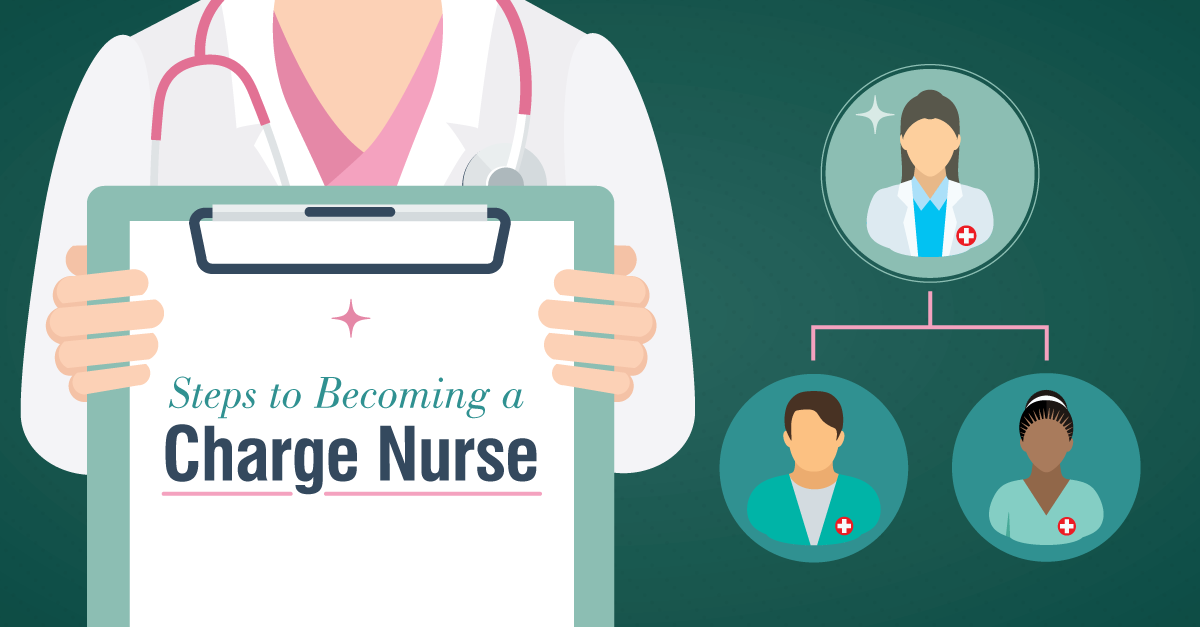
Steps-to-Becoming-a-Charge-Nurse-Husson-University.png“Example is not the main thing in influencing others. It is the only thing.”

-Albert Schweitzer

Charge nurses fill a unique role. As caretakers, supervisors, liaisons and point people, these professionals balance the responsibility found in managerial roles with the medical competencies of registered nurses. For those considering a career in this exciting field, here are some useful tips.

Role of a Charge Nurse

Also known as “lead” nurses or “unit supervisors,” charge nurses are frontline managers on the nursing floor. They work in any number of healthcare settings, including hospitals, clinics and long-term care facilities. The position itself is flexible; charge nurses may serve in temporary or permanent roles, depending on the needs of the facility.

Specific responsibilities may include some or all of the following:

· Provide nursing care expected of a standard nurse, including patient assessment, administering medications and treatments, maintaining files and charts, and more

· Oversee other nurses and mentor them when necessary

· Monitor staffing needs

· Create work schedules and assign patients to nursing staff

· Serve as liaison among nurses, physicians, patients and families, management and other parties

· Conduct performance evaluations and job interviews

· Delegate tasks and coordinate patient care

· Monitor and order medical supplies, medicine and other items

· Provide daily and intermittent reports

· Ensure compliance with policies, procedures and laws; keep up-to-date with policy changes

· Discipline nursing staff when necessary

· Oversee patient admissions, discharges and transfers

· Assist other nurses in handling challenging patients

· Investigate patient complaints

· Sign off on staffing paperwork including competency evaluations and staffing budgets

· Maintain a safe environment for patient care

Charge nurses must generally possess excellent skills in communication, organization and leadership. They must also be competent in making quick decisions, evaluating the quality of patient care, resolving conflicts and anticipating problems before they arise. Charge nurses are hired as much for personal aptitudes (such as the willingness to solve problems) as they are for their medical expertise. They must demonstrate a great deal of ambition, professionalism and awareness of the larger picture at all times.

How to Become a Charge Nurse

All charge nurses must be licensed RNs. They also require a significant background in their field (usually a minimum of three years of experience). Charge nurses earn their positions largely due to a combination of their job history, personality, ambition and previous work performance. Because these factors are so indefinite, extra credentials may help interested candidates gain an edge in the hiring process, including earning a Bachelor of Science in Nursing (BSN).

According to PayScale, the median salary of charge nurses is $68,911 annually. The role can also be a stepping-stone for additional study and more advanced positions of leadership. Some job titles may include:

· Nursing Director ($90,712 median salary)

· Advanced Practice Registered Nurse ($91,099 median salary)

· Chief Nursing Officer ($123,702 median salary)

The role of a charge nurse is indeed complex. But for those with the interest in becoming exceptional leaders within the nursing field, the position can be a perfect fit.

Additional Sources: Society of Human Resource Management, Advance Healthcare Network

Your Nursing Leadership Future

Nursing has been called “the finest art,” and nowhere is that illustrated better than in the profession’s requirements for management. For those seeking to advance their nursing career, the online RN-to-BSN program at Husson University can train them in a practical curriculum designed to help them succeed. Created for working professionals, the program can be completed in as little as one year.

Topics: nurse leadership, charge nurse

Hospital Impact: Nurse Leadership's Role In Reducing Burnout

Posted by Erica Bettencourt

Thu, Apr 20, 2017 @ 02:52 PM

Nurse-Burn-Out-H-Logo-01-web.pngIn order to provide top quality care to their patients, Nurses must be focused and alert. Burnout in Nurses is worrisome because common side effects are forgetfulness, impaired concentration, anxiety, and depression. As a Nurse leader you want to make sure patient's lives are in good hands and the Nurses are well. 

 
Continue reading below to learn what stressors cause burnout in Nurses and what you can do as a Nurse leader to prevent burnout from happening. 

The problem of nursing burnout has been in a state of evolution for years. For many of these years, the 12-hour shift was the primary focus. However, 12-hour shifts provide nurses time away from the bedside necessary for rest, family time and self-care, allowing for a rested and refreshed start to new shifts.

Several stressors lead to high levels of pressure and nurse burnout. These include:

  • High patient acuity (years ago, these patients would have been in the ICU)
  • High nurse-to-patient ratios (not acuity-based)
  • Multiple discharges and admissions (many nurses will discharge and admit an entire team of patients during their shift)
  • Lack of ancillary support and resources
  • Leaders who assume that nurses “can take one more patient”
  • Physicians who expect nurses to drop everything and attend to their needs
  • Interruptions while on their break
  • The expectation that nurses are all-giving.

However, the most important stressor includes an old mindset held by organizational and nursing leadership: Nurses who voice concerns related to patient safety and workload are viewed as complainers. As nursing leaders, we must recognize the demands placed on our nurses, validate their concerns, and through best practices and common sense, use our leadership to provide support.

The most important skill of a nursing leader is the ability to listen to nurses. The nursing leader must be engaged in the discussions and have a physical presence in the department. Engaging with nurses allows for an open dialogue and a discussion of ideas, and provides validation.

Validation, in turn, lowers nurses’ stress levels because they know they are being heard. Open dialogue provides the nursing leader a forum to foster best practices, find workable solutions for departmental issues, and teach leadership skills through mentoring sessions.

Nursing leaders must hold nurses accountable who are not carrying their load. Modifications in behavior by the nurse will indicate action and support from the nursing leader. In addition, nursing leaders must know, understand and demonstrate a deep caring for their nurses. This is why having a presence on the unit is so important. Actions always speak louder than words, and we must model healthy, professional and supportive behaviors for our nurses.

Staff meetings can be of great benefit and should include discussions regarding new organizational policies, processes and outcomes from higher leadership meetings. One way to engage nursing input in staff meetings is to post an agenda and ask for additional items the nurses would like to discuss or present. Allowing nurses to create ideas, and to volunteer according to their interests and passions, fosters a sense of belonging that is necessary for engagement.

Imagine nurses researching best practices regarding care of a complex patient diagnosis new to your unit. The nurses present their research and provide the education to the nursing staff. Recognition encourages more nurses to contribute to improving the unit.

As nursing leaders, we must teach and empower our nurses to lead. Self-care has become a buzzword in nursing. Nurses are expected to care for themselves, but are sabotaged by the stress and the demands of the patient care environment. However, nursing leaders must provide supportive environments that foster self-care. For example, a competent team can handle discharge and admissions paperwork and patient education, allowing nurses to attend to their patient loads.

Finally, and most importantly, nurses need to be told that it is OK to take care of their own needs during their work shift. They need to feel confident that the nurses who are covering their team are knowledgeable and competent.

Self-care is included in many of the BSN and master’s-level nursing programs. Nursing programs are teaching leadership skills focusing on professional communication and how to achieve self-care in the work environment. Using best practice and leadership practices learned in nursing programs, nurses should present new ideas and evidence-based models to their nursing leadership.

By communicating in a professional fashion with the leadership, nurses will feel empowered and validated by having a voice. This new refreshing outlook is a far cry from the old, when nurses were expected to give up their chairs for physicians.

sign up for newsletter

Topics: nurse leadership, Nurse burnout

Recent Jobs

Article or Blog Submissions

If you are interested in submitting content for our Blog, please ensure it fits the criteria below:
  • Relevant information for Nurses
  • Does NOT promote a product
  • Informative about Diversity, Inclusion & Cultural Competence

Agreement to publish on our DiversityNursing.com Blog is at our sole discretion.

Thank you

Subscribe to Email our eNewsletter

Recent Posts

Posts by Topic

see all