
Something Powerful

Tell The Reader More

The headline and subheader tells us what you're offering, and the form header closes the deal. Over here you can explain why your offer is so great it's worth filling out a form for.

Remember:

  • Bullets are great
  • For spelling out benefits and
  • Turning visitors into leads.

DiversityNursing Blog

Overcoming Imposter Syndrome in Nursing School and Beyond

Posted by Donna Caron

Wed, Jun 24, 2026 @ 01:29 PM

There's a moment almost every nursing student experiences. You're standing at the bedside, maybe it's your first clinical day, maybe it's your first week on the floor as a new grad, and a small, cold voice whispers: "What are you doing here? Everyone else knows exactly what they're doing. You're going to hurt someone. You don't belong here."

That voice has a name. It's called imposter syndrome. And I want you to know something important before we go any further:

That voice is lying to you.

What Is Imposter Syndrome, Really?

The term was coined in 1978 by Psychologists Pauline Clance and Suzanne Imes to describe high-achieving people who are convinced their success is a fluke, that they've fooled everyone around them, and it's only a matter of time before they're "found out."

In nursing, it shows up in specific, painful ways:

  • Attributing a successful patient interaction to luck, not skill
  • Assuming every other student in your cohort "gets it" and you alone do not
  • Apologizing before speaking in clinical
  • Feeling like asking questions proves you shouldn't be there
  • Dreading the moment a patient, family member, or preceptor "realizes" you're incompetent
  • Studying longer than anyone else but feeling less prepared than everyone else


Here's what's important to understand: imposter syndrome is not a sign that you're in the wrong field. In nursing, it is often a sign that you are deeply, appropriately conscientious about the weight of your work. 

Why Nursing Is Especially Fertile Ground for Imposter Syndrome

Nursing attracts people who care enormously, about doing things right, about not harming anyone, about being good enough. And then we put those people into an environment that is:

  • High-stakes by definition. People's lives are literally in your hands. Of course that feels enormous.
  • Constantly exposing your knowledge gaps. Medicine is vast. No one, not the 30-year ICU Nurse, not the CNO, not the attending Physician, knows everything. Nursing school just makes your gaps feel uniquely shameful.
  • Full of comparison. Clinical rotations, simulation labs, and group study all put your learning on display next to everyone else's.
  • Emotionally exhausting. When you're depleted, that critical inner voice gets louder.
  • Hierarchical. New Nurses are often afraid that admitting uncertainty will be perceived as incompetence rather than honesty.

And for Nurses who are also navigating first-generation college student status, racial or gender minority identity, or returning to school after years in a different field, the weight of feeling like you don't quite fit the mold can be even heavier.

Practical Strategies That Actually Work

Name it out loud

The single most powerful thing you can do is say it. Tell a trusted classmate, your clinical instructor, your mentor, or a counselor: "I'm really struggling with feeling like I don't belong here." You will be shocked by how many people look you in the eye and say, "Me too. I thought I was the only one."

Imposter syndrome thrives in isolation and silence. Naming it out loud is the beginning of defusing it.

Keep a "wins" journal

Our brains are wired to hold onto negative experiences and let positive ones slide by. This is especially true when we're anxious. A wins journal is a direct counter to that wiring.

At the end of each clinical day or shift, write down three things you did well, no matter how small. "I gave my first IM injection and the patient said I had a gentle touch." "I noticed the patient's BP was trending down before anyone else flagged it." "A family member thanked me for taking time to explain the discharge instructions."

Read these entries when the voice gets loud. That is evidence. Real evidence. Work with it.

Reframe "I don't know" as a clinical skill

In nursing school, we are taught that not knowing an answer is dangerous. That lesson is meant to keep patients safe, but it gets distorted: students start to believe that not yet knowing something means they shouldn't be Nurses.

Here's the truth: the most experienced Nurses I know ask more questions, not fewer. They verify things. They say "let me double-check that" without shame. Knowing what you don't know and knowing where to find the answer is one of the most important safety behaviors in nursing.

Start practicing saying: "I'm not certain, let me look that up and come right back to you." Say it to your preceptor. Say it to patients. It is not a sign of weakness. It is how errors are prevented.

Find your "mirror" person

Find someone who looks or sounds like you, who has already walked the path you're walking, and watch them work. This is not superficial. Representation genuinely matters to our nervous systems. When you can see that someone from your background, your generation, your story is doing this work with skill and grace, your brain starts to accept: then I can, too.

If you can't find that person on your unit, look for nursing organizations, podcasts, and communities that center voices like yours. They exist.

Separate feeling from fact

Imposter syndrome is a feeling, not a diagnosis and not a verdict. Feelings are real,  they are not always accurate.

When the voice says "you don't know what you're doing," ask yourself: What is the actual evidence for and against that claim? You passed your courses. You completed your clinicals. Your preceptor signed off on your competencies. Your instructor didn't call you aside out of concern,, you are doing it.

Feelings deserve acknowledgment. They do not deserve to run the show unchallenged.

Get a mentor and be honest with them

One of the greatest gifts you can give yourself as a student or new Nurse is a mentor who will be honest with you. Not someone who flatters you, and not someone who crushes you, someone who will tell you what you're genuinely doing well and where you still need to grow.

When you have that relationship, you don't have to rely solely on your own (often distorted) self-assessment. You have someone who can say, "You're doing better than you think you are", and who you'll actually believe.

Give yourself the timeline you actually need

New Nurses are often shocked by how long it takes to feel competent. Research consistently suggests it takes 12 to 18 months in a specialty to feel genuinely confident, sometimes longer. If you're six weeks into your first job and you don't feel like you've "got it," that is completely normal. That is not evidence of failure. That is just where you are in the process.

Competence is not a switch that flips. It is a slow accumulation.

You Were Not Admitted by Accident

You were admitted to your nursing program, or hired for your nursing job, by people who reviewed your record, your essay, your interview, your references, and decided: this person has what it takes.

They did not make a mistake.

The patients who are going to cross your path in this career, they need you specifically. They need your particular kind of attention, your particular questions, your particular presence. There is no one else who will bring exactly what you bring.

Imposter syndrome will tell you otherwise. It will be persistent, and it will be convincing, and it will choose its moments carefully, usually the hardest ones.

But here's the thing, the ones who feel it most deeply are often the ones who become the very best. Because they never stop asking whether they're doing right by their patients. Because they never assume they already know everything. Because the discomfort of uncertainty keeps them sharp and humble and searching.

So when that voice shows up, and it will, I want you to say this back to it:

I know you. I see you. And I'm going to keep going anyway.

Because that is exactly what Nurses do.


If you're struggling with imposter syndrome, anxiety, or burnout, please reach out to your school's counseling services, your employee assistance program (EAP), or a trusted mentor. You don't have to navigate this alone.

Topics: student nurse, nursing student, nursing school, student nurses, imposter syndrome

Frontier Nursing University Introduces Office of Student Engagement, Access, and Success

Posted by Frontier Nursing University

Thu, Oct 02, 2025 @ 12:08 PM

Frontier remains committed to fostering an environment that values and supports all students and honors diverse backgrounds, perspectives, and experiences.  

VERSAILLES, Ky. – Frontier Nursing University (FNU) has established an Office of Student Engagement, Access, and Success. This strategic initiative places student success as the university's central priority while ensuring comprehensive support from enrollment to graduation and beyond. 

“The development of this new office underscores Frontier Nursing University’s commitment to students,” FNU President Dr. Brooke A. Flinders said. “Frontier fosters a culture and an environment where every student is empowered to thrive and make a lasting difference.”

The Office of Student Engagement, Access, and Success consolidates critical student services under unified leadership, ensuring seamless support throughout each student's academic journey. Students will benefit from integrated academic coaching and advising, mental health and wellness programs, peer-to-peer mentoring, student interest groups and accessibility services. These services are all designed to work together rather than in isolation. By centralizing these essential functions, the university creates clear pathways to success while eliminating barriers that might otherwise prevent students from reaching their full potential.

"This is not about reorganizing existing services, it's about creating a unified support ecosystem where every touchpoint reinforces our commitment to student success," said Dr. Paula Alexander-Delpech, the inaugural Dean of Student Success. “Our dedicated team has stepped up to transform how we serve students, ensuring that from day one, every student feels genuinely supported and empowered to thrive."

FNU remains committed to its mission of providing a high-quality education that prepares nurses to become competent, entrepreneurial, ethical and compassionate nurse-midwives and nurse practitioners. The mission can only be fulfilled through a learning environment that values every individual and honors diverse backgrounds, perspectives, and experiences.

About Frontier Nursing University:


The mission of Frontier Nursing University is to provide a high-quality education that prepares nurses to become competent, entrepreneurial, ethical and compassionate nurse-midwives and nurse practitioners to work with all people, with an emphasis on rural and underserved communities. FNU offers graduate Nurse-Midwifery and Nurse Practitioner distance education programs that can be pursued full- or part-time with the student’s home community serving as the classroom. Degrees and options offered include Doctor of Nursing Practice (DNP), Master of Science in Nursing (MSN), or Post-Graduate Certificates. Frontier has been named a “Great College to Work For” by the Great Colleges to Work For® program for each of the past five years (2021-2025). To learn more about FNU and the programs and degrees offered, please visit Frontier.edu

Topics: student nurse, nursing student, nursing students, nursing school, Frontier Nursing University, FNU, student nurses, nursing university, Student Engagement

Starting Nursing School: What to Expect and How to Prepare

Posted by Carlos Perez

Thu, Aug 21, 2025 @ 12:35 PM

Congratulations! The decision to begin Nursing school is not only brave, it's life-changing. As a Nurse, I know the butterflies (and possibly the nerves) that come with this big leap. Whether you’re fresh out of high school, changing careers, or pursuing a lifelong dream, here’s my candid advice for those stepping into this new world.

What to Expect in Nursing School

An Intense but Rewarding Workload
Nursing school isn’t just “hard”, it’s a unique balance of science-heavy classes, hands-on clinicals, and the deep emotional learning that comes with caring for others. Expect lots of reading, group projects, pop quizzes, and skills check-offs. It’s challenging, but the moments when you really connect theory to practice make it all worthwhile.

Clinicals: Where the Magic Happens
You’ll spend time in hospitals, clinics, or care centers learning directly from professionals. These experiences are both thrilling and intimidating at first. Remember, everyone feels nervous! Embrace mistakes as learning opportunities, ask questions, and soak up every moment.

A Sense of Community (and Camaraderie)
Your classmates will become your support system, study buddies, and most importantly, lifelong friends. Lean on each other, celebrate wins, and help someone up when they’re down. Nursing is about teamwork from day one.

Personal and Professional Growth
Nursing school isn’t just about medical knowledge. You’ll become more resilient, patient, organized, and adaptable. Expect to face ethical dilemmas, emotional challenges, and days when you question yourself. That’s all part of your growth as a future Nurse.

How to Prepare for Nursing School

Get Organized Early
Invest in a sturdy planner or digital calendar. Keep track of assignments, tests, skills labs, and clinical rotations. Getting (and staying) organized helps reduce stress and ensures you never miss an important deadline.

Master the Basics

  • Review anatomy, physiology, and medical terminology.

  • Brush up on basic math for safe medication calculation, you’ll need it!

Practice Self-Care
Nursing school will stretch you, so plan time for meals, rest, exercise, and fun. Burnout is real, but manageable with the right routines. Don’t neglect your health for your grades!

Harness Your Support System
Tell family and friends about your journey. Let them know when you’ll need encouragement or space to study. Leaning on your support network is a sign of strength, not weakness.

Be Ready to Ask for Help
There’s no shame in seeking assistance, whether it’s clarification from a professor, advice from a mentor, or counseling services for stress. Nursing school is a team effort.

Find Your “Why”
On tough days, remembering why you chose Nursing will keep you moving forward. Whether it’s to help others, chase your passion, or build a stable career, hold close to your motivation.

Essential Items Every Nursing Student Should Have

Heading into Nursing school prepared makes a huge difference, you’ll be more organized, comfortable, and ready for whatever the day brings. Here’s a list of must-have items to pack, buy, or keep on hand:

Stethoscope
A reliable stethoscope is vital for clinical skills and patient care. Choose a quality model that feels comfortable, you’ll use it every day.

Comfortable, Professional Scrubs
Invest in a few sets of scrubs that fit well, breathe, and are easy to wash. Some schools have color requirements, so check your guidelines before buying.

Supportive Shoes
You’ll be on your feet for hours. Go for non-slip, comfortable footwear made for healthcare settings. Your feet (and back) will thank you!

Watch With a Second Hand
Many clinical tasks require accurate time tracking (pulse counts, medication administration, and more.) A simple, waterproof watch is best.

Notebooks, Pens, and Highlighters
Jot down notes during lectures and clinicals. Color-coding helps keep info organized and makes study sessions more effective.

Clipboard (preferably with storage)
Useful for holding papers, forms, medication sheets, plus, a clipboard with storage keeps everything together as you move through your day.

Medical Reference Pocket Book or App
Having quick access to drug guides, medical terminology, or procedure notes can be a lifesaver, especially during clinical rotations.

Water Bottle and Healthy Snacks
Long days demand hydration and fuel. Bring a sturdy water bottle and portable snacks (nuts, granola bars, fruit) for energy when break times are short.

Hand Sanitizer and Sanitizing Wipes
Staying germ-free is a must, both at school and on the job. Keep hand sanitizer and wipes handy for a quick clean.

ID Badge Holder or Lanyard
Secure your student or hospital ID, many clinical sites require you to wear it at all times.

Planner or Digital Organizer
Keep track of assignments, shifts, exams, and appointments. Staying organized will lower your stress and help you meet deadlines.

Compression Socks
Extra support can reduce fatigue and swelling during long clinical shifts.

With these essentials, you’ll start Nursing school ready for learning, caring for patients, and tackling anything the day brings!

Nursing school is a wild, wonderful ride. You’ll fill your brain and your heart more than you ever thought possible. Be curious, stay kind (especially to yourself), and remember: every great Nurse was once a student just like you.

You’re about to embark on a journey that truly makes a difference. Embrace it all, you’ve got this!

Topics: nursing schools, student nurse, nursing student, nursing students, nursing school, student nurses

What To Look For When Choosing a Nursing School

Posted by Erica Bettencourt

Wed, Feb 21, 2024 @ 12:05 PM

Choosing the right Nursing school is a crucial decision that will shape your future career. It's essential to carefully consider various factors to ensure you receive the best education and training possible. From accreditation to clinical opportunities, faculty expertise, and student support services, each aspect plays a vital role in your overall learning experience. By taking the time to research and evaluate these key factors, you can choose a Nursing school that aligns with your goals and sets you up for success in the field of Nursing.

Here are some key things to look for:

Accreditation

Ensure the Nursing program is accredited by a recognized accrediting body such as the Commission on Collegiate Nursing Education (CCNE) or the Accreditation Commission for Education in Nursing (ACEN). Accreditation ensures the program meets certain standards of quality and prepares you for licensure exams.


Licensure Pass Rates

Seek out Nursing schools with impressive pass rates on the NCLEX-RN exam. A strong track record in this area signifies the program equips students with the knowledge and skills needed to excel in their licensure exams.


Clinical Opportunities

Check the options of clinical partnerships and hands-on opportunities accessible to students. A reputable Nursing program should provide a variety of clinical experiences across different healthcare settings, enabling students to enhance their skills through practical experience.


Faculty Expertise and Experience

Explore the credentials and expertise of the Nursing faculty. Seek out institutions with faculty members who bring a wealth of experience as both skilled Clinicians and dedicated Educators within the Nursing profession.


Resources and Facilities

Evaluate the resources and facilities available to Nursing students, including simulation labs, libraries, and technology resources. These resources play a crucial role in providing a comprehensive learning experience.


Student Support Services

Explore the array of student support services provided by the Nursing school, including personalized academic guidance, specialized tutoring sessions, comprehensive career development resources, and confidential counseling services. These vital support systems are designed to empower your academic and professional success.


Reputation and Outcomes

Research the reputation of the Nursing school and consider factors such as graduation rates, job placement rates, and alumni success stories. A reputable Nursing program with positive outcomes is likely to provide a high-quality education.


Program Flexibility

Consider the flexibility of the Nursing program, including options for part-time study, evening or weekend classes, and online coursework. Flexible program options can accommodate students with busy schedules or other commitments.


Cost and Financial Aid

Evaluate the cost of tuition and fees for the Nursing program, as well as the availability of financial aid, scholarships, and grants. Consider the overall value of the education provided in relation to the cost.


Location and Campus Culture

Take into account the Nursing school's location and how it fits with your personal preferences, including its proximity to your home, whether it's set in an urban or rural area, and the overall campus culture. If feasible, make a visit to the campus to immerse yourself in the environment and get a feel for the community.


By carefully considering these factors, you can choose a Nursing school that best fits your needs, goals, and preferences, setting you up for success in your Nursing career.

Topics: nursing schools, student nurse, nursing school, nursing program, nursing programs, student nurses

FNU Makes 2023 Diversity Impact Conference Available to External Attendees

Posted by Frontier Nursing University

Tue, May 16, 2023 @ 10:25 AM

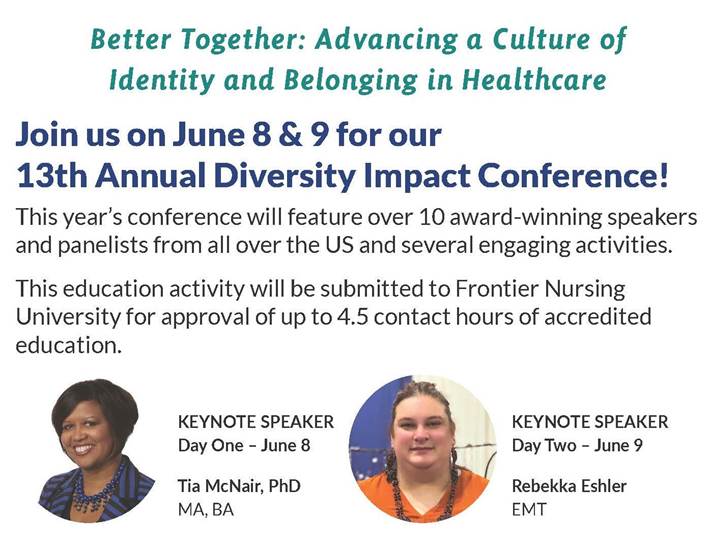
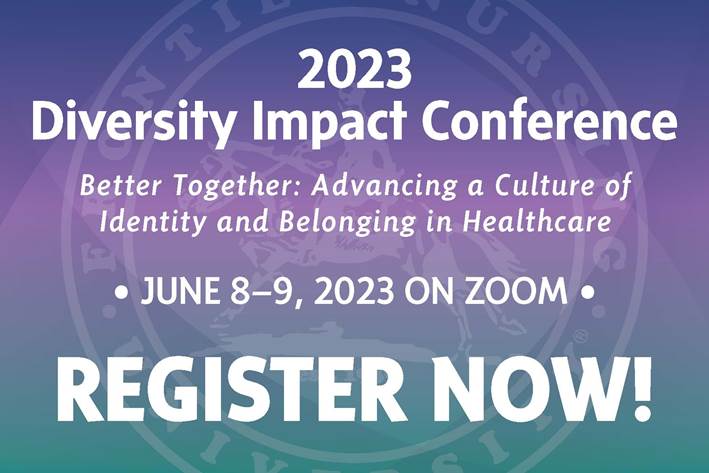
Frontier-Nursing-1Versailles, Ky. – On June 8-9, 2023, Frontier Nursing University (FNU) will hold its annual Diversity Impact Conference. The Diversity Impact Conference brings together renowned thought leaders and speakers to increase awareness of the importance of diversity, equity, and inclusion (DEI) in the healthcare workforce, particularly for those working in underserved and rural communities. This year, for the first time, the conference will be available for attendees outside of FNU.
“We are extremely excited about the 2023 Diversity Impact Conference,” said FNU Chief Diversity and Inclusion Officer Dr. Paula Alexander-Delpech, Ph.D., PMHNP-BC, APRN. “The Conference gets better each and every year, and we are putting the finishing touches on the plan for this year’s sessions. We are most excited, however, about being able to include more attendees this year. As we grow this important event, we want to invite leaders and students from some of our area universities to join us. This event is all about collaboration, learning, and growing. I’m confident that it will benefit any university, department, or individual.”

The 2023 Diversity Impact Conference will be conducted via Zoom. The theme of this year’s conference is “Better Together: Advancing a Culture of Identity and Belonging in Healthcare.” The two-day event will feature keynote presentations on both days from nationally recognized leaders in diversity, equity, and inclusion. Additional sessions will include panel discussions, breakout sessions, and time for reflection.

The opening keynote address will be given by Dr. Tia Brown McNair, Vice President of the Office of Diversity, Equity, and Student Success and Executive Director for the Truth, Racial Healing, and Transformation (TRHT) Campus Centers at the American Association of Colleges and Universities (AAC&U) in Washington, D.C. On the second day of the conference, the keynote speaker will be Rebekka Eshler, National President of the Transgender American Veterans Association in Washington, D.C.  All speaker bios and the full conference schedule can be found at https://frontier.edu/diversity-impact/

The learning outcomes attendees can expect to take away from the Diversity Impact Conference include:

  • Identify specific strategies to create a culture of belonging amongst peers and the larger community
  • Discuss the causes behind healthcare disparities and their effect on creating a culture of belonging
  • Reflect on ways to effectively engage in spaces to promote diversity in identity
  • Practice ways to build collaborative communities

Students attending any institution can register for the conference for free. All others can register at the registration price of $99 until the day before the event. For more information about the 2023 Diversity Impact Conference and to register, please visit https://frontier.edu/diversity-impact/.

#####

About Frontier Nursing University:

The mission of Frontier Nursing University is to provide accessible nurse-midwifery and nurse practitioner education that integrates the principles of diversity, equity, and inclusion. We transform healthcare by preparing innovative, ethical, compassionate, and entrepreneurial leaders to work with all people with an emphasis on rural and underserved communities. FNU offers graduate Nurse-Midwifery and Nurse-Practitioner distance education programs that can be pursued full- or part-time with the student’s home community serving as the classroom. Degrees and options offered include Doctor of Nursing Practice (DNP), Master of Science in Nursing (MSN), or Post-Graduate Certificates. In 2021 and 2022, Frontier was named a “Great College to Work For” by the Great Colleges to Work For® program. To learn more about FNU and the programs and degrees offered, please visit Frontier.edu.

image001-May-16-2023-02-16-40-9587-PM

image002


Topics: nursing schools, School of Nursing, student nurse, nursing student, nursing students, nursing school, Frontier Nursing University, diversity, inclusion, health equity, Diversity and Inclusion, student nurses, DEI, Diversity, Equity and Inclusion, diversity equity inclusion, Diversity Impact conference, conference

How Has Nursing Changed In The Past Decade?

Posted by Pat Magrath

Wed, Mar 01, 2017 @ 10:35 AM

nurse3-student-nurse-header.jpgThe field of Nursing has changed in many positive ways in the past 10 years. From the growth of Leadership positions in Nursing and new technology to the addition of new Nursing Specialties, there are many exciting things happening and you can be a part of it. 

 
Read this article for all of the details and let us know how these changes have affected you.

The nursing profession is the largest segment of the nation’s healthcare workforce, with more than three million nurses practicing across the U.S., according to the American Association of Colleges of Nursing.  Nurses serve as both the backbone of the healthcare industry and on the front lines of developing health solutions. Although most nurses may still head to work in scrubs and comfortable shoes, for many nurses, the day-to-day reality of their job has changed in dramatic ways over the past ten years.

This evolution has been shaped by a changing U.S. population, new technology and the influential 2010 Institute of Medicine (IOM) report, “The Future of Nursing: Leading Change, Advancing Health.”  The report charged nurses to take a greater leadership role in healthcare, noting that nurses should be full partners, with physicians and other healthcare professionals, in redesigning the U.S. healthcare system.

Below, we’ve detailed just a few significant changes in nursing practice within the last decade.

Growth of Nursing Leadership

The IOM report highlighted the unique patient-centric viewpoint of advanced practice nurses and the important role they can play in addressing the shortage in primary-care healthcare providers across the U.S. Advanced practice registered nurses (APRNs) play a critical role in providing access to affordable, quality care. According to the Robert Wood Johnson Foundation, “consumer demand for APRN-provided care is growing thanks to a shortage of primary care physicians, the soaring cost of healthcare, and a population that is aging and living longer with more acute and chronic conditions.”

“We see patients through the full spectrum, from the newborns on up,” said Steve, a rural family nurse practitioner featured below in the Campaign’s A Day in the Life” video. “With the shortage of family practice providers, ‘midlevels’ such as myself and physician assistants are becoming a much more important part of the of the healthcare delivery model.”


Last year, the Campaign partnered with Nurse.com to highlight the ways in which advanced practice nurses (APNs) are meeting the IOM Report’s call to action to lead the charge in transforming healthcare.  The “Transforming Care” series featured APNs who were leading innovation in various fields – from a certified registered nurse anesthetist advocating for legislation changes to a nurse practitioner who is developing ground-breaking models of care.
 
There’s An App for That
 
Technology has changed dramatically in the past 10 years, especially with the advent of the smart phone. As the use of technology in medical practice increases, nurses are on the forefront of shaping and utilizing new mobile health tools. In our April Nursing Notes article, “Mobile Health in Nursing Informatics,” we interviewed Jason J. Fratzke, RN, MSN, the chief nursing informatics officer for Mayo Clinic in Rochester, Minn. Fratzke develops mobile technology to facilitate nursing workflow.
 

“Wearable devices that can monitor consumers’ health are changing the way our society thinks about providing care,” said Fratzke.

Fratzke was an early leader in the advancement of a nursing mobile app for patient data documentation into electronic health records (EHR). Hospitals can use nursing apps to help nurses more efficiently capture real-time patient assessment documentation, such as vital signs, medicine distribution and pain scales.

Telemedicine’s Impact on Accessibility

Technology has also led to the increase in telemedicine options. According to an article published in the American Journal of Critical Care (AJCC), telemedicine is changing the way patient care is provided in a growing number of intensive care units (ICUs) across the country. The article notes that “the U.S. has approximately 45 tele-ICUs with monitoring capacity” which impacts care for “an estimated 12 percent of ICU patients in the country.”

Benefits of tele-ICUs for nurses, the article states, include increased efficacy in monitoring trends of vital signs, detecting unstable physiological status, providing medical management, enhancing patient safety, detecting arrhythmias and preventing falls.

“In rural areas, it is also possible for tele-health to help fill a void in care,” said Connie Barden RN, MSN, CCRN-E, CCNS, chief clinical officer of the American Association of Critical-Care Nurses, interviewed in the Nursing Notes article, “Tele-ICUs Help Nurses Care for Patients from Afar.” “These remote consults by a nurse specialist result in getting the right care to the patient in a timely manner. Besides being an efficient way of delivering care it may also help to keep the patient in their local area rather than needing a transfer for care hundreds of miles away. So, it can save money and keep the patient with their family – a win-win solution for everyone.”

New Nursing Specialties and Roles

Telemedicine nursing and nursing informatics are just two nursing  specialties that have grown in the past ten years. According to the Bureau of Labor Statistics’ Employment Projections 2012-2022 – released in December 2013 – the registered nurse (RN) workforce is expected to grow to 3.24 million by 2022, an increase of 526,800 or 19 percent since 2012.

As indicated in the IOM report, the half a million new nurses entering the workforce before 2022 will be responsible for shaping the profession, including advancing in-demand specialties, such as home-health nursing and geriatric nursing, for the increase in “Baby Boomers” who are retiring in the next decade.

In addition to new nursing specialties, nurses are also playing new roles in healthcare, The “Modern Nurse” section of Nursing Notes, outlines emerging nursing roles, such as developing simulation technology, flying into emergency situations or establishing a practice in a local libraryas part of a public health initiative.

New specialties, increased leadership opportunities and the use of telemedicine and mobile health are just a few of the ways that nursing has changed in the past ten years. Is there another innovation or idea you think we missed? Tweet us at @DiversityNurse or share a comment on our Facebook Page.

sign up for newsletter

Topics: student nurse, Changes in Nursing

Care Experience Does Not Make Students Better Nurses, Study Shows

Posted by Erica Bettencourt

Mon, Dec 08, 2014 @ 11:42 AM

describe the image

Nursing students with previous caring experience are less likely to perform better academically and clinically than those who have none, research shows.

A study assessing the criteria for selecting nursing students found that high emotional intelligence did not mean students performed better on their courses.

Researchers also found that of the students who have withdrawn from their studies, nearly 60 per cent had previous caring experience.

The ongoing study, led by the University of Edinburgh, is tracking performance and emotional intelligence - the ability to recognise your own and other people's feelings and act accordingly - of nearly 900 nursing and midwifery students from the University of the West of Scotland and Edinburgh Napier University.

Researchers found, however, that performance improved with age and that female trainees scored significantly better than male counterparts.

The findings come after the 2013 Frances Report - which highlighted care failings at the Mid Staffordhire NHS Foundation Trust - recommended an emphasis on creating a more compassionate end empathetic culture in nursing.

As a result, aspiring nurses in England could potentially be required to spend a placement year as a carer before undertaking their training.

Lead researcher Rosie Stenhouse, lecturer in Nursing Studies at the University of Edinburgh, said: "The research should sound a note of caution to such pilot schemes. They are potentially expensive, politically motivated and not backed up by evidence."

Source: www.medicalnewstoday.com

Topics: student nurse, studies, experience, education, nurses, medical, career

14 Items That New Nurses Should Have in Their Bag

Posted by Erica Bettencourt

Mon, Sep 29, 2014 @ 01:22 PM

By Rena Gapasin

new nursing grad bag.jpg

If you are a nursing student or new nurse, you are probably wondering what you will need in your work bag. Aside from your personal stuff, what are the things you bring that signifies you are a nurse?

These nursing supplies listed below are a must if you want to do your job efficiently.

The most common supplies nurses have in their bags are:

  1. Stethoscope

    This is one of the most important tools of the trade. Nurses use this tool to listen to things such as the heart, veins, and intestines to make sure proper function. According to Best Stethoscope Reviews, here are the 6 best stethoscopes to buy. As you surely know, it's one of the most important tools for a patient's assessment.

    One of today's leading stethoscope brands is Littmann. You can choose from the classic style to the most advanced kind.

  2. Books

    A handy reference listing down common medicines and conditions. MIMS provides information on prescription and generic drugs, clinical guidelines, and patient advice. Nurses can also use Swearingen's Manual of Medical-Surgical Nursing, a complete guide to providing optimal patient care.

  3. Scissors and Micropore Medical Tape

    Bandage scissors are used for cutting medical gauze, dressings, bandages and others. Nurses need to have these in their pockets for emergency use, especially for wound care. Micropore tape is also important and should be readily available, for example, when your patient accidentally pulls his/her IV.

  4. Lotion and Hand Sanitizer

    Nurses never forget to wash their hands several times throughout the day, leaving their skin dry. That's why having lotion in their bags is important to keep the skin in good condition. Meanwhile, the sanitizer helps nurses steer clear of germs, along with other contagious agents.

  5. Six saline flushes

  6. Retractable pens

  7. Sanitary items - gauze, sterilized mask and gloves, cotton balls

  8. OTC pharmacy items (cold medicines, ibuprofen and other emergency meds)

  9. Small notebook - for taking notes from doctors and observations of your patients.

  10. Thermometer

  11. Tongue depressor

  12. Torniquet

  13. BP apparatus

  14. Watch with seconds hand

On Nurse Nacole’s website, she shares that she carries a drug handbook, intravenous medications, makeup mirror, tape measure, towel, lotion, wipes, 4 in 1 pen and a homemade cheat sheet for her patients.

Also, in MissDMakeup's What's In My Work Bag Youtube video, she has a box of batteries, tapes, a pack of gum, toothbrush, sanitizer, coupons, snacks, umbrella, stethoscope, pens, folder of her report sheet and information sheet, tampons, charger, name tag, ID, makeup bag, eye drops, lotion, hair clips, highlighter, pen light, and journal.

So, What's in My Bag?

In my bag, I have a 4-in-1 pen, a highlighter, IDs, bandage, journal to write some new information when I surf the net, my phone with medical e-books and medical dictionary in it, and other stuff like alcohol, sanitizer, over-the-counter meds (such as paracetamol, cold medicine, pain killers, multivitamins), eye drops, handkerchiefs, floss, toothbrush, nail file, band aids, and food.

Aside from my knowledge in providing quality patient care, I also bring things that can help me get through my shift. In an effort to make things more compact and easy for a nurse to get access to, most common nursing supplies are available in a portable kit. The size and styles are developing as new ways of making a nurse's shift easier.

These are just few of the essential nursing paraphernalia that a new nurse needs. 

What's in your bag that you can’t live without?

Source: nurse together

Topics: student nurse, nursing student, work, job, nurse bag, supplies, nursing, healthcare, nurses

Career Advice for New Nurses, from Seasoned RNs

Posted by Hannah McCaffrey

Mon, Apr 15, 2013 @ 07:26 PM

 By

If Janet Patterson, RN, could go back in time, she would learn the answer to a simple yet overwhelming question: What exactly do nurses do?

For most people, images of bedpans and needles pop into their minds, says Patterson, a nurse for 33 years who now works as a home care nurse at Maxim Healthcare in Santa Rosa, Calif. “We think we know [before going to nursing school] what [nurses] do, but we really don’t. I became a nurse and I couldn’t talk about it with anyone who wasn’t one.”
418043 resized 600
A realistic job description tops the list of information veteran nurses say they wished they had known before embarking on their careers decades ago. Experienced nurses recommend that new nurses and students talk to people doing the job they want. Ask questions in person, by phone or online in chat groups for nurses.


Nursing is intimate

Nancy Brook, MSN, RN, NP, wished she had known that “I would be changed as a human being because of the intimacy of the moments that you share with patients.” New nurses must prepare for this, she says. The impact of witnessing many life-changing experiences such as birth, death and serious diagnoses lingers beyond the workday, says Brook, a nurse practitioner at Stanford Hospitals and Clinics in Redwood City, Calif. After the workday, “It’s not your muscles that are sore, it’s the mental muscles,” Brook says.

It’s important for new nurses to create a routine to unwind, learn healthy habits and stay socially connected, seasoned nurses advise.

Keep learning

When Cynthia Ringling, RN, BSN, started nursing in 1990, she had no idea “that the personal touch of nursing would have changed with the age of computers. It made the RN much more of an administrator and documenter,” says Ringling, a chief clinical officer at Interim Healthcare in Colorado. “A lot of the personal tasks we did have been pushed to unlicensed or trained people.”

Nursing is an evolving profession with changing technology. New nurses must stay open to learning from patients, peers, physicians, professors and other professionals.


Squash conflicts

Another discovery Brook wished she had known before pursuing her career are the challenges of working with colleagues. “It’s not the patients who are hard, it’s the other nurses, managers, physicians — that whole interplay that professionals experience, unless you are working independently,” she says.

Ask for help. Make building a support system a priority, veteran nurses recommend.


Remain flexible

Adjusting to an intense work schedule also topped the wish-I-had-known list for longtime nurses. Meeting the demands of patient care can be exhausting. Add nights, weekends and holidays to the mix and maintaining a social calendar requires patience and flexibility. Brook says she wishes someone had told her in advance she would be late for every party because her shift did not end on time.

Accept that people get sick every day and require care. Imagine patients as your own loved ones who need care, says Sheri Cosme, MSN, RN-BC, a clinical educator at MedStar Georgetown University Hospital.

“Nurses work 365 days a year, 24 hours a day. So to think as a new graduate nurse that you will only work days, Monday through Friday, is not realistic,” advises Cosme.

Topics: new nurses, student nurse, diversity, nurse, nurses

A Student Nurse's Guide to Culture and Nursing

Posted by Alycia Sullivan

Fri, Mar 01, 2013 @ 01:54 PM

By: 

Every student nurse needs to have a strong understanding of culture and ethnic considerations so that they may be able to care for their patient's as whole. Many nurses when not faced with diversity are not fully understanding to exactly what culture is.

Culture is a set of learned values, customs, practices and beliefs that are shared by a group of people or are passed from one generation to another. A subculture shares many of the same characteristics with a primary culture but they may have patterns of behavior or ideals that differ and separate themselves from the rest of a cultural group.

Not all members of a culture will have the same behavior though; some of the differences are age, religion, dialect, socioeconomic backgrounds, geographic locations, gender identities, gender roles, and the degree of values that are adopted in a current country.

Stereotyping is something a nurse must learn not to do because culture can influence each person in varies ways and not each person from a certain culture may feel the same way as another person. Stereotyping is a generalized feeling about one group that is formed based on behavior, of an individual or a group. Ethnic stereotyping is a fixed concept of how all members of a certain group may think or act.

Race is considered a group of people who share biologic and physical characteristics, while ethnicity is a group of people who share a common social and cultural heritage based on beliefs, traditions, and national origin, physical and biologic characteristics.

Transcultural nursing is the understanding and integrating of the many variables in culture and subculture practices into all the aspects of nursing care. Different cultures have a variety of practices that may relate to response to illness and death, care of people of different age groups, childbirth, diet and nutrition, and even health care in general and treatment methods.

The nurse must be aware of personal culture beliefs and practices of their patient and understand that these beliefs put influence on their ability to care for those patients of different cultural backgrounds. By understanding these personal beliefs it gives the nurse the ability to react to different cultures with understanding, respect, openness, and acceptance of the differences between them. Depending on the location you work you may come across many different cultures and subcultures it is a nurse's duty to become versed in the different patients they may take care of.

Source: Yahoo Voices

Topics: student nurse, nursing, ethnic, cultural, patient, beliefs

Recent Jobs

Article or Blog Submissions

If you are interested in submitting content for our Blog, please ensure it fits the criteria below:
  • Relevant information for Nurses
  • Does NOT promote a product
  • Informative about Diversity, Inclusion & Cultural Competence

Agreement to publish on our DiversityNursing.com Blog is at our sole discretion.

Thank you

Subscribe to Email our eNewsletter

Recent Posts

Posts by Topic

see all