
 Thinking about changing careers? At any stage in life, Nursing is a great choice because Nurses are always in demand. It's a challenging, but rewarding field and previous education can help you become a Nurse faster.
"I'm a second career Nurse. What's wonderful about Nursing, is that it's very accessible after you've already been to school or college for another type of degree," Telemetry Nurse, Victoria told Johnson and Johnson.
If you already have a Bachelor’s degree in any field, an accelerated Bachelor of Science in Nursing (ABSN) program is the quickest route. It usually takes less than 2 years. If you don't have a prior Bachelor’s degree, you can become a Registered Nurse (RN) with an Associate’s Degree in Nursing (ADN) or you can enter the workforce even quicker by becoming a Licensed Practical Nurse (LPN) or Licensed Vocational Nurse (LVN).
After you earn your Nursing degree, you’ll be eligible to take the National Council Licensure Examination (NCLEX), which is administered by the National Council of State Boards of Nursing (NCSBN).
There are two of the NCLEX exam: The NCLEX-RN is a computerized exam required by all state boards of Nursing to qualify for an RN license. The NCLEX-PN is required to practice as an LPN.
After you pass the NCLEX, you must apply to your state board of Nursing for a license to practice.
If you're asking yourself, "Am I too old to become a Nurse?" The answer is no, it's never too late to join the Nursing workforce. According to the NCSBN, the median age of working Registered Nurses is 52 years old.
It's also important to remember this point by Indeed, your career length doesn't reduce the impact you may bring to the unit once you work as a Nurse. Your contribution makes a huge difference regardless of how long you can be active in the field.
"If you are a baby boomer or Gen X, there’s a place in Nursing for you. Your past work experience, dedication and passion are all needed resources within the healthcare arena. As Uncle Sam once said, “We Want You!," wrote Judy McDaniel, RN, MSN in a Nurse.com article.
According to The Department of Labor, The U.S. Bureau of Labor Statistics projects that more than 275,000 additional Nurses are needed from 2020 to 2030, and that employment opportunities for Nurses will grow at 9%, faster than all other occupations from 2016 through 2026.
This high demand is due to a variety of factors such as an increase in chronic conditions, an aging population and a stronger emphasis on preventative care.
If you have anxiety about being a new Nurse, consider one of the most important concepts taught in Nursing school, the “5 C’s” of caring:Commitment, Conscience, Competence, Compassion, and Confidence
Learning and adapting these concepts will allow you to provide better care and will improve the relationships you have with your patients as well as co-workers.
If you're interested in learning more about different Nursing Specialties, Click Here!
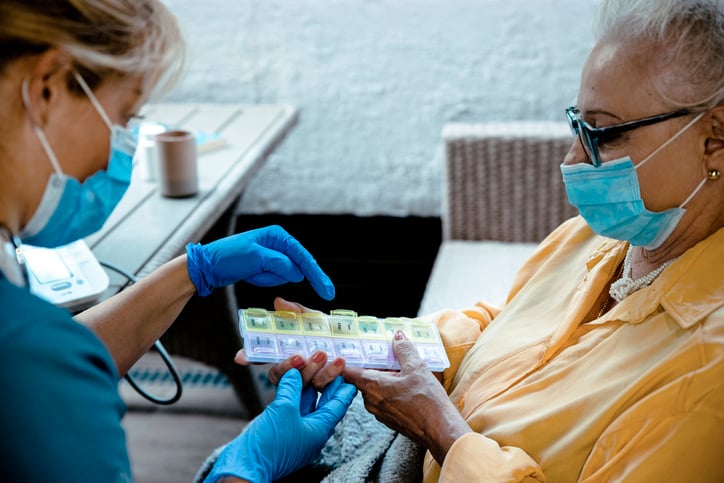 Healthcare workers, especially Nurses, face more challenges today than ever. Nurses must quickly adapt to fluctuating Nurse-Patient ratios, evolving technology, and the evolutions of healthcare and how it affects the way we provide care to our patients. Medication errors are an unfortunate consequence of overwork, distraction, and system errors. The consequences of medication errors can range from minor to serious. Serious medication errors can even result in death.
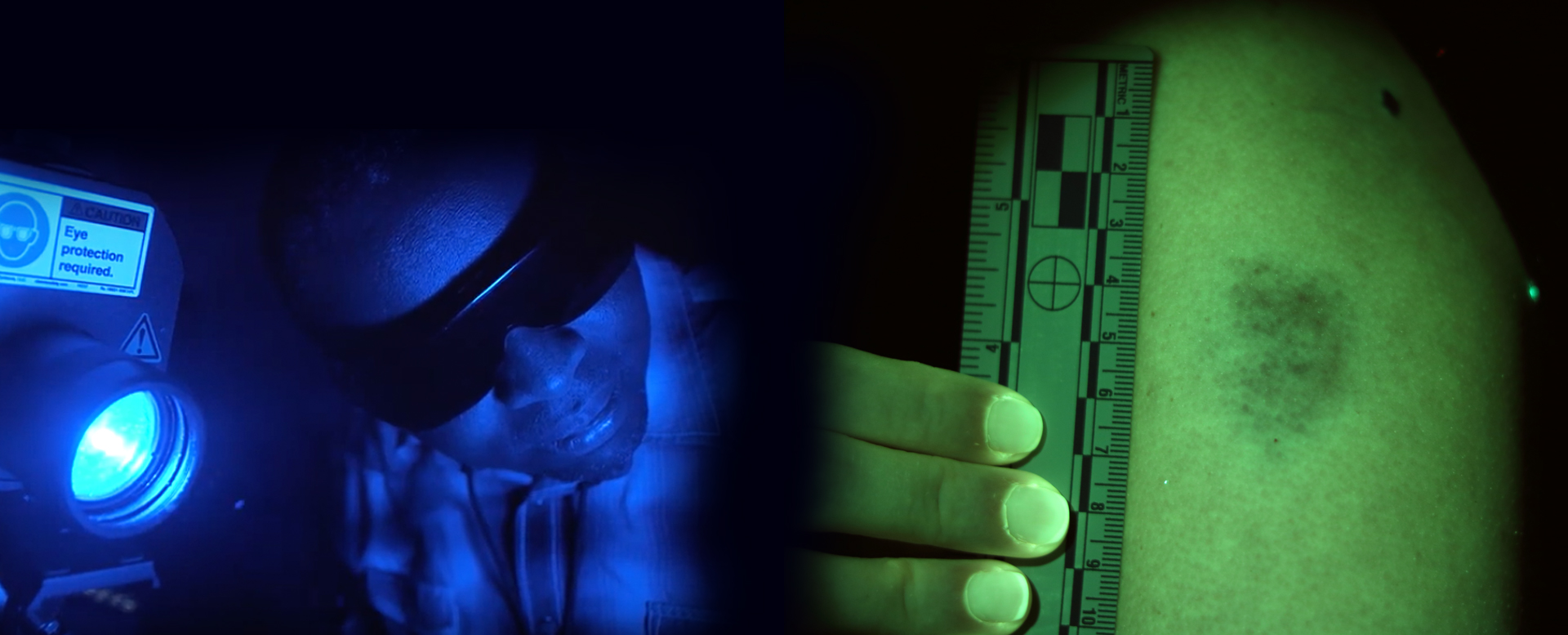 Photo:
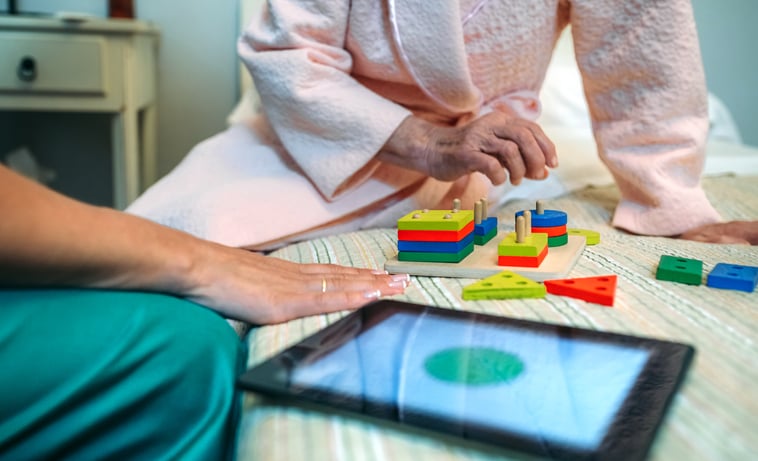
 Patients with Intellectual or Developmental Disabilities (IDDs) have unique needs. It is important Nurses know how to properly provide care, and make health care more accessible for this population.
 What is Nursing Ethics?
 Across the entire patient experience, Nurses have a hand in almost every aspect of the patient's healthcare journey. Nurses are compassionate, and dedicated, and work tirelessly to meet the needs of their patients. Because Nurses are at the forefront of every patient interaction, there are many things that we wish our patients knew and understood about how we work and handle our everyday tasks.
 A career as a Nurse Case Manager gives you the opportunity to make a huge impact on patient's lives and develop rewarding relationships.
 Being a parent and a Nurse are demanding roles and it may seem almost impossible to thrive and manage both at the same time, but it is possible! If you're a parent in the Nursing field consider these tips below.