 Even before the start of the COVID-19 Pandemic, it was well-known that the U.S. was facing a health care provider shortage. This trend was verified in a June 2020 report by the Association of American Medical Colleges^, which estimated the U.S. faces a potential physician shortage of 37,800 to 124,000 by 2034.
Partly because of this growing need, nurses are increasingly serving as primary caregivers in hospitals and clinics across the country. There are more than 3.8 million registered nurses in the United States and nurses comprise the largest component of the nation’s healthcare workforce*.
Necessity is not the only reason more patients are turning to nurses for primary care. Nurse-midwives and nurse practitioners have a core focus on promoting optimal health, not only caring for the sick but also providing guidance to assist in long-term health. This model of care forms a partnership between nurse and patient with a focus on promoting ongoing health in addition to treating illness. The focus on health maintenance is a core characteristic of the practice of nurse-midwives and nurse practitioners. A study on the prevention of chronic disease by Ritsema TS, Bingenheimer JB, Scholting P, et al.+ concluded that “across all conditions, NPs provide health education to patients more frequently than physicians.” Midwifery care as defined by the American College of Nurse-Midwives includes health promotion, disease prevention, wellness education and counseling, and full-scope primary care services including maternity care. Midwifery care has been shown to decrease cesarean section rates, decrease interventions and decrease preterm birth^^.
Midwifery and nurse practitioner care do not replace physician care. Health care services are complex and one type of provider cannot provide all services needed. It takes a team of different types of providers to provide the full complement of services needed. One study demonstrated that patients receiving care from primary care physicians received only 55% of recommended chronic and preventive services. The gap is attributed to physicians being overworked. The study further estimated that 50-70% of preventative services and 25%-47% of chronic care services could be done by nurse practitioners or physician assistants. By working together, we can assure that patients receive all of the recommended and preventive and chronic care services**.
Nurses’ expertise and versatility were brought into focus during the height of the pandemic. As hospitals and clinics overflowed, the healthcare system was stretched to its limit. Nurses were called on to assume additional responsibilities and leadership roles, such as organizing drive-through testing and vaccination sites or directing clinics. Some traveled, leaving their families for weeks or months at a time to care for patients in locations both rural and urban where additional care was most needed.
While provider shortages have been amplified during the pandemic, this shortage was a known issue before the pandemic and will persist after. Most at risk due to the provider shortage are those in underserved populations and rural communities. The previously mentioned report by the Association of American Medical Colleges concluded that “If underserved populations were to experience the same health care use patterns as populations with fewer barriers to access, current demand could rise by an additional 74,100 to 145,500 physicians. This analysis underscores the systematic differences in annual use of health care services by insured and uninsured individuals, individuals in urban and rural locations, and individuals of differing races and ethnicities.”
Frontier Nursing University is proud to be a leader in the changes needed to address healthcare provider shortages. Frontier’s mission is “to provide accessible nurse-midwifery and nurse practitioner education to prepare competent, entrepreneurial, ethical, and compassionate leaders in primary care to serve all individuals with an emphasis on women and families in diverse, rural, and underserved populations.” Our students are graduate-level students seeking advanced nurse practitioner and nurse-midwifery degrees. For many, taking two years off work to pursue an advanced degree is not an option. They must be able to continue to work where they live while pursuing advanced degrees at the same time.
FNU was founded in 1939 in rural Hyden, Kentucky, and our impact, though significant, was limited in scope due to our remote location. In 1989 we introduced a distance learning model that allowed students nationwide to attend FNU from their home communities, requiring only a few trips to campus. Today, 70% of FNU’s more than 2,500 students live in health professional shortage areas (HPSA) as defined by the Health Resources and Services Administration (HRSA), demonstrating the potential impact of FNU graduates within these underserved communities.
Many of our 8,000 alumni have been serving on the front lines of the pandemic. Some have worked as travel nurses in pandemic hot zones, while others delivered the first vaccine doses by boat to remote villages in Alaska. Some developed procedures to help patients avoid crowded lobbies. Others accomplished the remarkable feat of opening their own clinics during the height of the pandemic. Meanwhile, FNU’s distance learning model allowed the majority of our students to continue their progress without interruption.
The pandemic has brought to light much of what we already knew. It has further demonstrated the need for change in our healthcare system and proved that nurse-midwives and nurse practitioners must play increased roles in the health and well-being of our communities. The pandemic reminded us that primary care services provided by advanced practice nurses and nurse-midwives are safe and effective. It is now more clear than ever that nurse-midwives, nurse practitioners, and physicians must work together to attain optimum health outcomes for our country.
^ IHS Markit Ltd. The Complexities of Physician Supply and Demand: Projections From 2019 to 2034. Washington, DC: AAMC; 2021.
*Smiley, R.A., Lauer, P., Bienemy, C., Berg, J.G., Shireman, E., Reneau, K.A., & Alexander, M. (October 2018). The 2017 National Nursing Workforce Survey. Journal of Nursing Regulation, 9(3), supplement (S1-S54).
+Ritsema TS, Bingenheimer JB, Scholting P, et al. Differences in the delivery of health education to patients with chronic disease by provider type, 2005–2009. Prev Chronic Dis 2014; 11: 130175. - PMC - PubMed
^^ Loewenberg Weisband Y, Klebanoff M, Gallo MF, Shoben A, Norris AH. Birth Outcomes of Women Using a Midwife versus Women Using a Physician for Prenatal Care. J Midwifery Women’s Health. 2018 Jul;63(4):399-409. doi: 10.1111/jmwh.12750. Epub 2018 Jun 26. PMID: 29944777.
**Altschuler J, Margolius D, Bodenheimer T, Grumbach K. Estimating a reasonable patient panel
size for primary care physicians with team-based task delegation. Ann Fam Med.
2012;10(5):396-400. doi:10.1370/afm.1400
++IHS Markit Ltd. The Complexities of Physician Supply and Demand: Projections From 2019 to 2034. Washington, DC: AAMC; 2021



 A key tool to reducing health disparities in patient care involves diversifying the Nursing field. The Nursing population should be as diverse as the patient population they serve.
 The National Commission to Address Racism in Nursing
 Men become Nurses for the same reason women do, to take care of people. And even though Male Nurses are becoming more common, they still face constant stereotyping on the job.
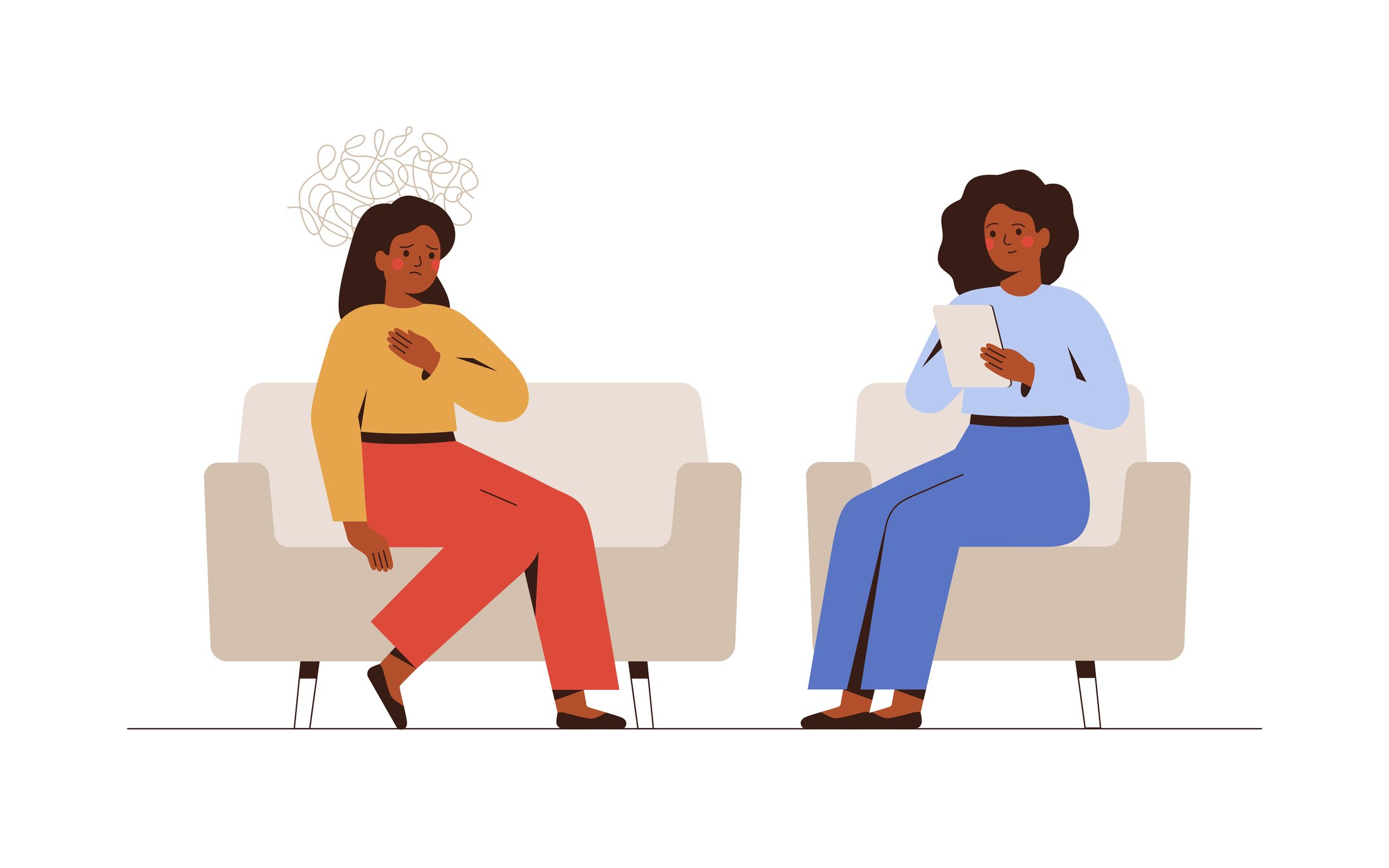 There are large disparities in mental healthcare across races and ethnicities in the U.S. Many factors contribute to the poor mental health outcomes of minority populations. Such as:
 Nurses have the first-hand experience needed to advocate for their patients, colleagues, and themselves. They can influence change in their workplace, communities, Nursing organizations, educational institutions, and with policymakers.